

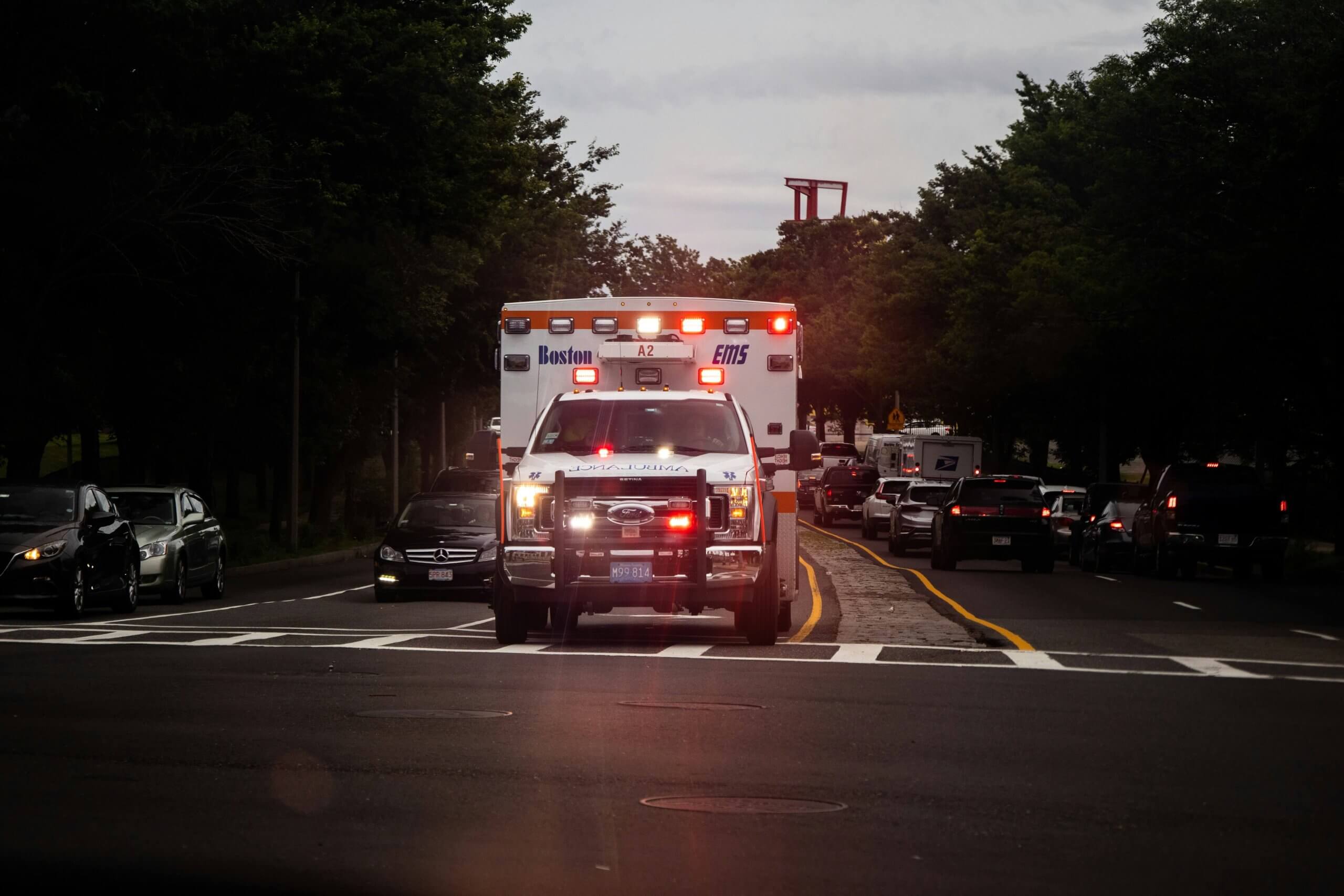
What does it really mean to love a first responder?
For many spouses, partners, parents, and close friends, being connected to someone who serves as a police officer, firefighter, paramedic, or other emergency professional is a source of immense pride. But it can also come with a unique set of emotional and relational challenges—ones that are often invisible to the outside world.
If you’re reading this, perhaps some of the following experiences resonate with you.
The emotional load:
- Ongoing worry or anxiety when your loved one is on shift—never quite able to relax, fearing the worst and knowing the worst is a possibility on any given shift
- Carrying the mental and emotional load for the household because your partner is often unavailable or emotionally drained
The physical load:
- Inconsistent schedules that disrupt family routines, holidays, or special moments
- A constant need for flexibility and last-minute changes
The strain in relationships:
- Feeling like you’ve had to sacrifice your own goals or career for the demands of your loved one’s work
- Feeling unseen, unappreciated, or emotionally disconnected, or not enough
- Coping with a loved one who withdraws, shuts down, or avoids emotional connection
- Concerns about risky behaviors, whether it’s overworking, alcohol use, impulsivity, or infidelity
- Experiencing short tempers or disproportionate reactions that don’t match the situation at home
- Feeling left out or alone in the relationship
- Communication barriers and challenges with emotional connection
These feelings are real. They are painful. And they are more common than you might think.
Is Dating A First Responder Difficult? Yes, In So Many Ways

The work of a first responder demands composure under pressure, rapid decision-making, and emotional control. These traits are necessary in high-stakes environments—but they can also show up at home as emotional distance, irritability, or withdrawal.
First responders are trained to “stay calm and carry on,” but the cost of compartmentalizing their emotions day after day can bleed into family life. The trauma they witness, the stress they carry, and the high-alert state they often live in don’t simply disappear when they walk through the front door. Over time, this can erode connection, deepen misunderstandings, and lead to growing resentment or disconnection within the family.
Why Do First Responders Get Divorced?
We often talk about the need for “work-life balance,” but for first responder families, the boundaries between work and home can feel blurred or even non-existent.
This ongoing tension can result in:
- Conflict and communication breakdown
- Emotional or physical disconnection which may include infidelity
- Separation or divorce
- The loss of what could otherwise be healthy, loving, fulfilling relationships
Connection and communication are the foundation of all relationships. But in first responder families, these become critical lifelines. When they falter, the emotional distance can feel insurmountable.
But here’s the good news: it doesn’t have to stay that way.
Saving Your Relationship With Family Therapy In Branchburg NJ
First Responder Families can hesitate to reach out for support, sometimes feeling like the part
icular dynamics and struggles within their relationship will not be understood. Sometimes worrying about their struggles being minimized given the importance of the First Responder’s job. Sometimes with concern that dark humor of first responders might be misunderstood. Other times being hopeless for change.
Just as First Responders often feel that those outside their profession “don’t get it,” their families frequently experience the same sense of being misunderstood.
There is specialized support available. Certified First Responder Counselors (CFRCs) are professionals trained to understand the unique culture, demands, and impact of first responder life—not just on the individual, but on their families and relationships as well.
Whether you’re a family member or a partner seeking to better support your first responder or a first responder yourself, know this:
- You are not alone.
- Your struggles in supporting and managing the challenges of life with a first responder are understood here.
- Healing and reconnection are possible—with the right understanding and support of the particular challenges and dynamics that come with first responder life.
Reach out. Speak up. You, and your relationship, deserve care, connection, and compassion.
If you’re interested in finding a Certified First Responder Counselor or learning more about how to support first responder families, we’re here to help.
Feeling Disconnected from Your First Responder Partner? Here’s Where to Start
You don’t have to wait until things feel unmanageable and you don’t have to figure this out on your own. Whether you’re a first responder or the partner of one, we’re here to help you reconnect, communicate, and build a relationship that can withstand the unique demands of this life.
- Call us: Reach out at 908-224-7727 for a free consultation.
- Start the Journey: Work with a Certified First Responder Counselor who understands the culture, the schedule, and the toll this work can take on your relationship.
- Watch your relationship heal
Being in a Relationship with a First Responder Can Result in Vicarious Trauma
At Brave Minds Psychological Services, we offer individual therapy for partners, spouses, and family members navigating the unique stress of loving a first responder, providing a calm, supportive space to process what you’re carrying so you can feel more grounded, connected, and supported in your relationship. Supporting first responder families is just one piece of what we offer; we also provide couples counseling, individual therapy, anxiety support, and family counseling, because everyone connected to a first responder deserves care. Reach out today to get started.