

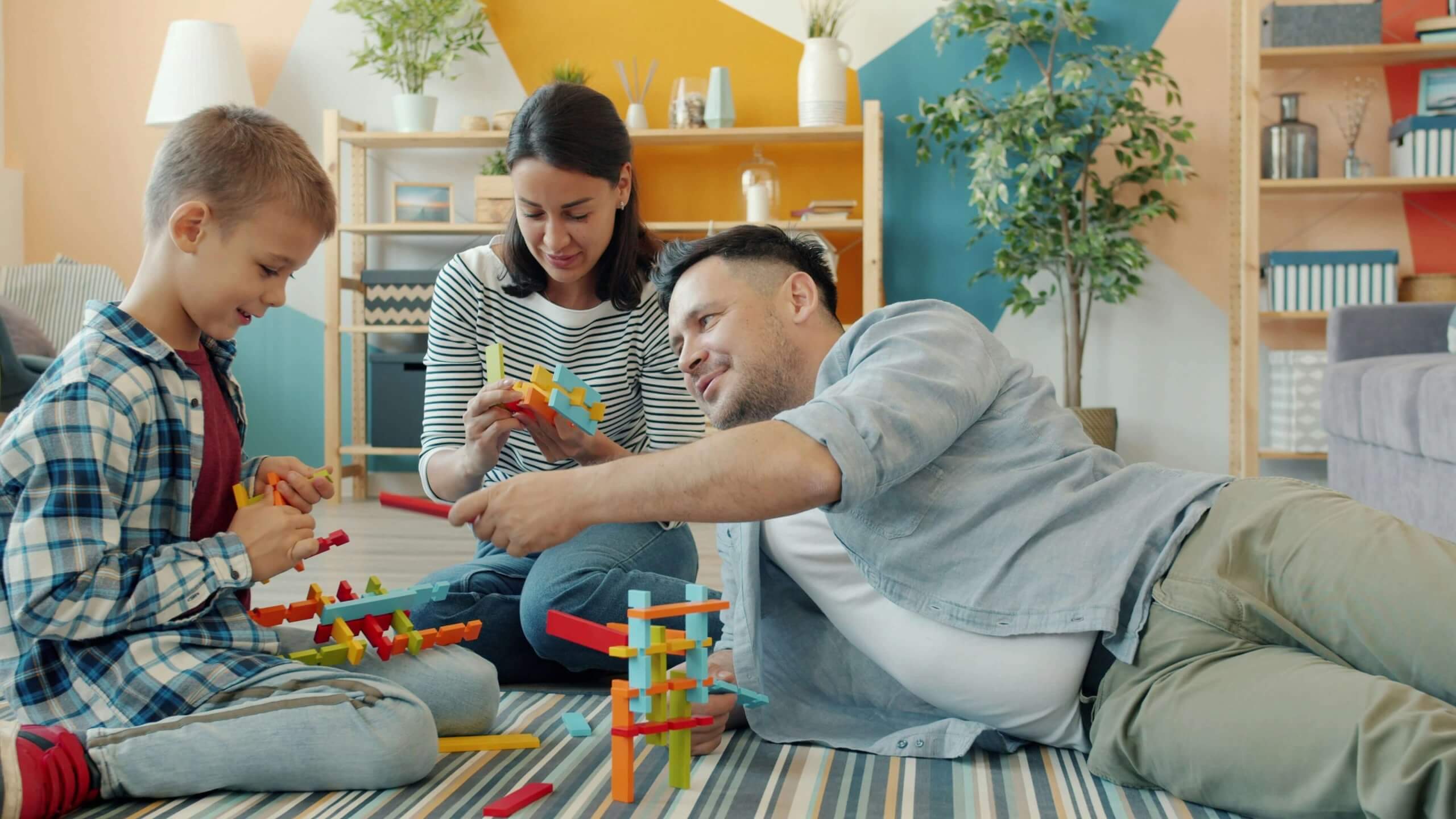
If you’ve been told that your child could benefit from play therapy, you might be wondering what exactly happens in those sessions. How play therapy can help and how long does it take? It’s natural to want your child and family to experience relief quickly.
But play therapy works differently than adult therapy, and for good reason. Adults and children communicate in different ways. Therefore, play therapy is effective for children because it aligns with their natural development and how they communicate.
How Play Therapy Fits Your Child’s Developing Brain
Your Child’s Brain is Still Under Construction
Think of your child’s brain like a house that’s still being built. The foundation is there, but the wiring, plumbing, and finishing touches are still in progress – and will be for years to come.
The part of the brain responsible for logical thinking, problem-solving, and verbal expression (the prefrontal cortex) doesn’t fully develop until around age 25. This means that expecting a 6-year-old to sit in a chair and talk through their feelings the way an adult would is like asking someone to use a kitchen that’s still being installed.
Emotions Come First, Logic Comes Later
Children’s brains are more heavily weighted toward the emotional and sensory centers. They experience the world through their bodies, their senses, and their emotions first. Logic and language come second, if at all. This isn’t a flaw in their design – it’s exactly how they’re supposed to be at this stage of development. This is why when they are struggling, we see it in their behaviors first.
When children experience stress, trauma, or emotional difficulties, these experiences get stored in the parts of their brain that are most active – the emotional and sensory centers. This is why a child who experienced something scary might not be able to tell you exactly what happened or how they feel about it, but they might repeatedly crash toy cars together or hide dolls under blankets.
How Children Really Communicate
Play is Their Native Language 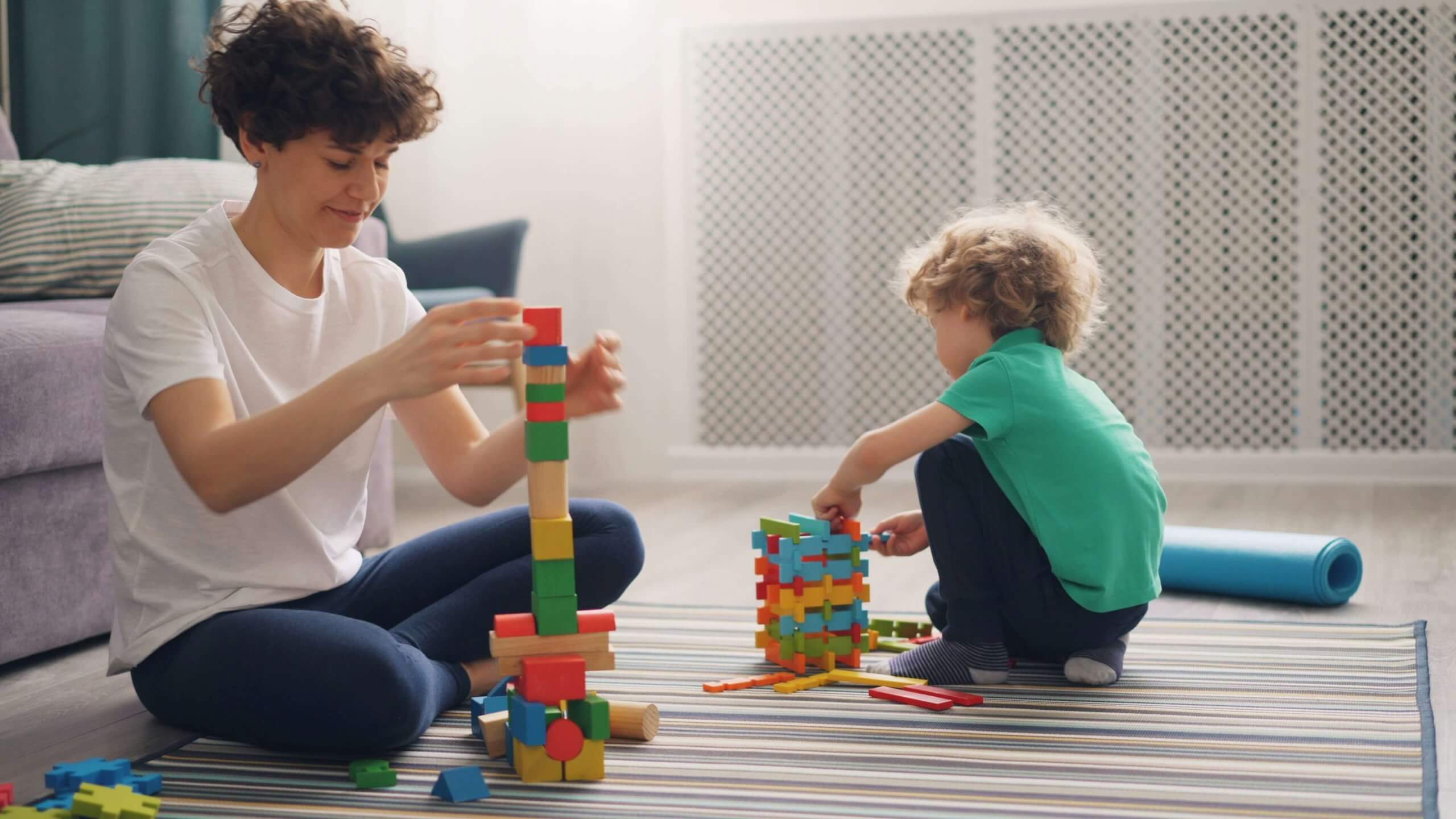
While adults primarily communicate through words, children communicate through play, behavior, and body language. When your child builds a tower and knocks it down repeatedly, they’re not just playing – they might be working through feelings of powerlessness or chaos in their life. When they make the toy family fight and then hug, they could be processing conflict they’ve witnessed or experienced.
Behavior Tells a Story
Children also communicate through what we call “behavioral language.” A child who suddenly starts having accidents after being potty trained might be telling you they’re feeling overwhelmed or need more attention. A child who becomes clingy or starts having meltdowns might be communicating that they don’t feel safe or secure. Anxiety, fear, sadness, and confusion come out through actions. Play is another way for conscious and subconscious feelings to become actions. In the play therapy room these actions can become a rich source of information and healing.
Why Play Therapy Works Better Than Talk Therapy for Kids
This difference in communication style is why traditional talk therapy often falls short for children. Asking a 5-year-old “How does that make you feel?” is like asking them to translate their native language into a foreign one they’re still learning. They might know they feel “bad” or “mad,” but they don’t have the vocabulary or cognitive ability to dig deeper into those emotions the way adults do.
In play therapy, children don’t need to translate their experiences into words. They can show us through their play. As therapists, we can interpret, reflect, and respond in their language.
What Actually Happens in Play Therapy
A Variety of Toys and Games Are Offered
In a therapy space for children there are a variety of toys. Dolls, action figures, art supplies, building blocks, sand trays, puppets, and more. This playroom is a therapeutic environment designed to help children express themselves naturally. Plus, it can get them excited about getting started.
The Therapeutic Environment Allows For Emotional Expression
There are many types of play therapy both directive and non-directive. In child-led play therapy, the play therapist doesn’t necessarily direct the play like a teacher might. Instead, they follow your child’s lead, observing and occasionally reflecting what they see. If your child is making the toy dinosaurs fight, the therapist might say, “The dinosaurs seem really angry at each other” or “That dinosaur looks like it wants to protect itself.”
Your Child’s Therapist Gets To Know Your Child
This approach serves several important purposes:
- It helps your child express their feelings and struggles
- It validates your child’s experience without judgment
- It helps your child put words to their feelings and experience
- It allows the therapist to understand your child’s inner world and important themes
How Play Becomes Healing
Children use play to work through difficult experiences in the same way adults might talk through problems. They’ll often replay scenarios over and over, sometimes with small variations, as they process and make sense of what happened to them. A child who witnessed a car accident might crash toy cars repeatedly until they’ve worked through their fear and anxiety about the event.
The beauty of play therapy is that it works even when children can’t articulate what’s bothering them. The play itself is healing, regardless of whether the child can explain why they’re playing in a particular way.
Why Play Therapy Takes Time
The Settling-In Period
Building Trust is Job Number One
Many parents expect to see immediate changes after their child starts play therapy, but that’s not how the process typically works. In fact, expecting quick results can actually interfere with the healing process. Indeed, patience is not just helpful but essential for this process to work.
Think about it this way: if you walked into a stranger’s house and they handed you their most precious possessions and asked you to share your deepest secrets, how would you feel? Probably pretty uncomfortable, right? Children feel the same way when they first enter the therapy room. Some are tentative to explore, while others excitedly reach for everything before relaxing into the space.
What the Early Sessions Look Like
Most children need several sessions just to feel safe and comfortable with their therapist. During this settling-in period, they might
- Test boundaries
- Act silly
- Seem to regress in their behavior
- Spend time just settling into the space
This is completely normal and actually a good sign – it means they’re beginning to feel safe enough to let their guard down. Indeed, these behaviors can be a means to explore what they are and are not allowed to do in the therapy space. It is also a means to get to know the therapist. How will the therapist respond? Is the space safe?
Some children will dive into deep therapeutic work right away, while others might spend weeks just exploring the toys and getting to know their therapist. Neither approach is right or wrong – children need to move at their own pace. Pushing them to “get to work” or share their feelings before they’re ready can actually be counterproductive and might cause them to shut down or become more resistant to the process.
Learning That This Space is Different
During these early sessions, your child is also learning that this is a safe space where they won’t be judged, criticized, or told how to feel. They’re testing whether the therapist really means it when they say “there’s no wrong way to play here.” This foundation of safety and trust is essential for deeper therapeutic work to happen later.
The Unfolding Process of Healing 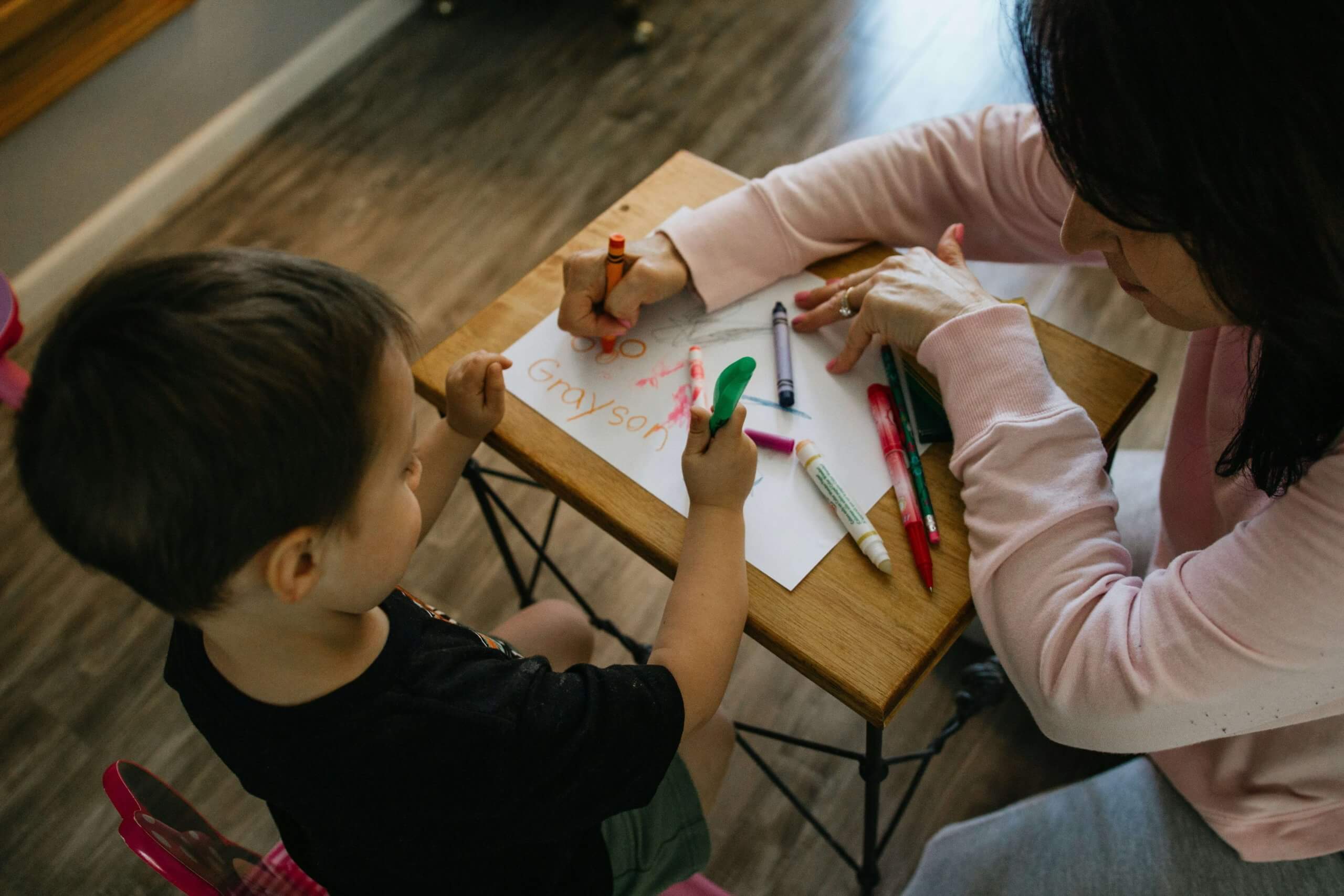
How Progress Really Looks
As children settle into the therapeutic relationship, you’ll start to see the real work begin. This might look different than you expect, though. Instead of your child coming home and talking about their “breakthrough,” you might notice subtle changes in their behavior, sleep patterns, or emotional regulation.
Children often work through their issues in layers, like peeling an onion. They might address surface-level concerns first, then gradually work their way deeper as they feel more secure. A child dealing with anxiety might start by playing out scenarios where characters feel scared, then gradually move toward themes of bravery and coping.
Sometimes Things Get Worse Before They Get Better
It’s also common for children to have what we call “regression before progression.” This means they might seem to get worse before they get better. As they begin to process difficult emotions or experiences, those feelings might intensify temporarily. This can be scary for parents, but it’s often a sign that the therapy is working – your child is finally feeling safe enough to let out the emotions they’ve been holding inside.
Every Child Has Their Own Timeline
The timeline for seeing significant changes varies enormously from child to child. Some children show noticeable improvement after a few months, while others might need a year or more of consistent therapy. This doesn’t mean therapy isn’t working – it just means your child needs more time to process their experiences and develop new coping skills.
What You Can Do to Support the Process
Resist the Urge to Dig for Details
As a parent, you play a crucial role in your child’s therapy success, even though you’re not in the room during sessions. First, resist the urge to pump your child for information about their sessions. Many children won’t want to talk about therapy, and that’s okay. The therapy room is their special, private space, and they need to know that what happens there stays there unless there’s a safety concern.
Practice Patience with Everyone
Second, be patient with the process and with your child. Healing isn’t linear, and there will be good days and challenging days. Try not to interpret every difficult moment as a sign that therapy isn’t working.
Third, work with your child’s therapist to understand what you’re seeing at home and how it might relate to their therapeutic work. Sometimes behaviors that seem problematic are actually signs of progress – your child might be testing whether you’ll still love them even when they’re not “perfect.”
Take Care of Yourself Too
Finally, take care of yourself during this process. Watching your child struggle is incredibly difficult, and it’s normal to feel frustrated, scared, or impatient. Consider seeking your own support through counseling or scheduling parent sessions with your child’s therapist.
Trust in Your Child’s Natural Ability to Heal
Children Have an Incredible Drive Toward Wholeness
Children have an incredible, innate drive toward healing and growth. Given the right environment and support, children naturally move toward wholeness. Play therapy creates that environment – a safe, accepting space where your child can be exactly who they are while working through whatever is troubling them.
Your Child Isn’t Broken
This perspective shift can be incredibly freeing for parents. Your child doesn’t need to be “fixed” because they’re not broken. They might be hurting, confused, or overwhelmed, but they have everything they need inside themselves to heal. Play therapy simply provides the conditions for that natural healing process to unfold.
The Long-Term Benefits of Play Therapy for Children
Why the Slow Approach Creates Lasting Change
While play therapy might seem slow compared to other interventions, its effects tend to be lasting because children are processing their experiences at a deep, foundational level. They’re not just learning coping strategies (though that happens too) – they’re actually rewiring their brains and developing a stronger sense of self.
Skills and Insights That Last a Lifetime
Children who complete play therapy often show improvements not just in the specific issues that brought them to therapy, but in their overall emotional regulation, self-confidence, and ability to form healthy relationships. They learn that their feelings are valid, that they have some control over their environment, and that adults can be trusted to help them when they’re struggling.
These lessons serve them well throughout their lives, providing a foundation for mental health and resilience that extends far beyond childhood.
Trust The Process of Play Therapy
Play therapy might not look like what you expected when you first heard your child needed counseling. There might not be obvious homework assignments or clear benchmarks to measure progress. But what’s happening in that playroom is profound and important work – your child is learning to trust, to express themselves, and to process their experiences in their own natural way.
Ready to Start Play Therapy in Branchburg, NJ?
If your child is struggling with anxiety, big emotions, or a difficult experience, you don’t have to figure out the next step alone. At Brave Minds Psychological Services, our therapists specialize in anxiety, trauma, and working with children and families. We’ll listen to your concerns and connect you with the right therapist for your child.
Here’s how to get started:
- Reach out. Call us at 908-224-7727 or fill out our online contact form.
- Talk with our team. We’ll learn about your child and answer your questions.
- Meet your therapist. We’ll match your family with a therapist and schedule an intake.
We have offices in Scotch Plains and Branchburg, NJ.
Other Ways We Support Children, Teens, and Families
Play therapy is just one way we help. Depending on your child’s needs and age, our team also offers:
- Anxiety and trauma therapy: support for children, teens, and adults working through anxiety, panic, or difficult experiences.
- EMDR: a research-supported approach for processing trauma and distressing memories.
- SandPlay Therapy: a creative, hands-on way for children to express what they can’t put into words.
- Selective mutism support: specialized care to help children find their brave voice.
- Parent support and coaching: guidance and parent sessions so you feel confident supporting your child at home.
- Teen and young adult therapy: a space for older kids to work through stress, self-esteem, and identity
- Family and couples therapy: help strengthen communication and connection at home.
Not sure which service fits? That’s okay. Our team will help you figure it out.