


In preparing for a first date, you may be running through a variety of questions and imagined scenarios in your mind.
- “What if we don’t have anything in common?”
- “What if they don’t like dogs?”
- “What if I’m about to meet my future spouse?”
However, if you are someone living with food allergies, these questions and feared scenarios can look quite different. For you, this may look like:
- “How do I talk about my food allergies?”
- “Should I avoid eating on the date?”
- “What if I have a reaction?”
Dating With Food Allergies 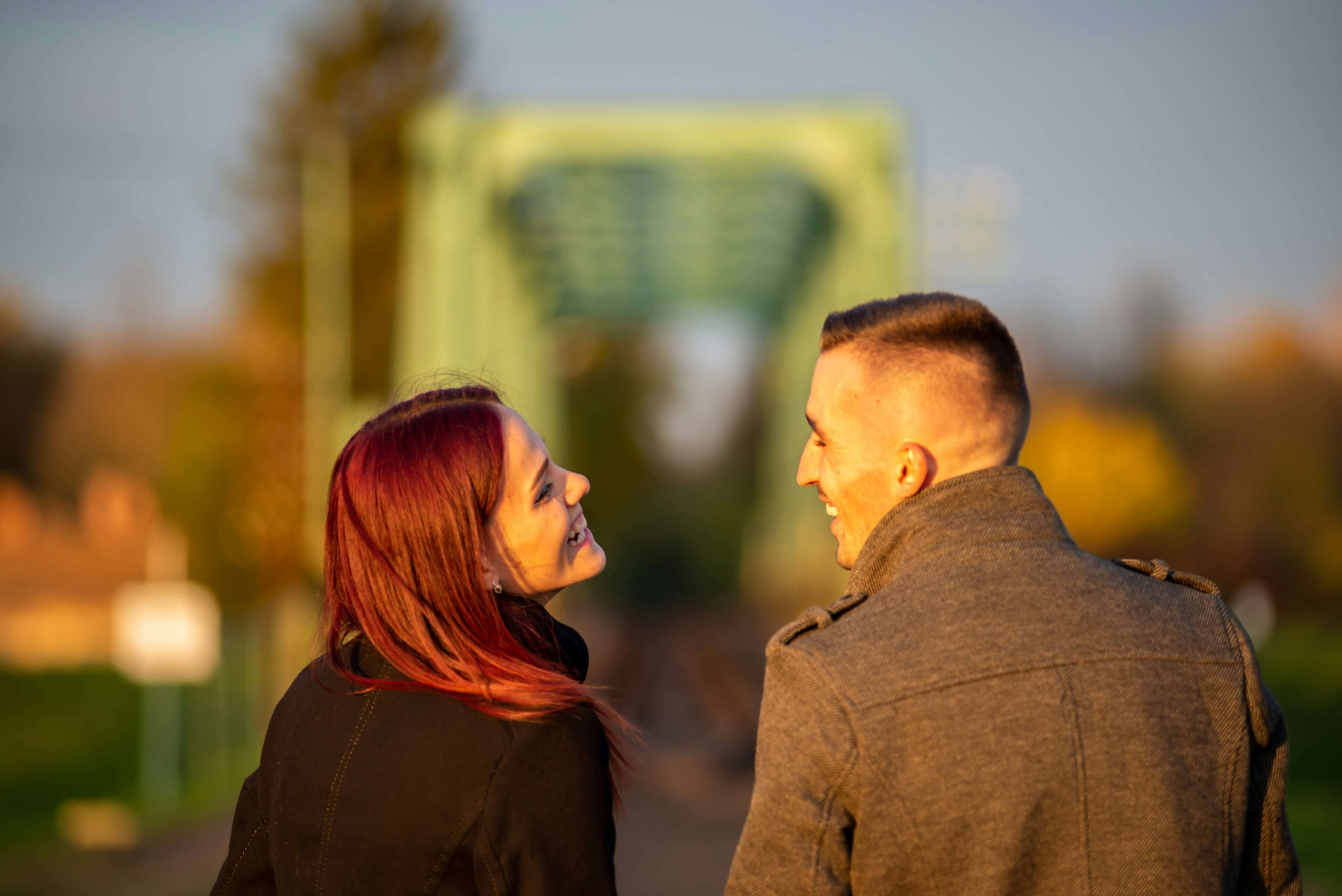
Living with food allergies can make the prospect of dating feel more overwhelming and intimidating. As a therapist specializing in the treatment of food allergy anxiety in Branchburg, New Jersey, navigating the world of dating is a common concern I explore with food allergy teens and adults. Whether you’re new to dating or getting back out there, this guide is designed to support you in feeling more confident, empowered, and safe as you build connections while living with food allergies.
The Talking Stage: Having the Food Allergy Conversation with Your Partner(s)
When is the best time to bring up food allergies?
I typically recommend having conversations about food allergies in the early stages of getting to know someone. This is partly because dates frequently revolve around—or at least involve—food and beverages. In addition to keeping you safe, the conversation around food allergies can also help you get a good feel for the person you are considering a relationship with. How your date responds to the conversation can tell you a lot about them as a potential partner. We will go over green and red flags in this conversation later in this blog.
Consider including your food allergies in your online dating profile
This can help you filter out matches who are unwilling to accommodate your needs, connect with others with food allergies, and set the tone for having the conversation early. Including this detail also helps normalize food allergies and invites curiosity from people who may be open and supportive.
Tips for having the conversation:
- Be clear and definitive with your boundaries. Avoid communicating that there is room for negotiation. For example: “I have a life-threatening allergy to shellfish, so I need to avoid restaurants where there’s a high risk of cross-contamination.” This helps your partner understand the importance of your precautions without overwhelming them with medical jargon.
- Be direct. Avoid sugarcoating your food allergies. It is important for your partner to know that food allergies are life-threatening conditions that must be taken seriously.
- Gauge their reaction. Are they asking questions, showing concern, or brushing it off? Their reaction can tell you a lot about their willingness to engage and support your needs going forward.
Finding Your Match: The Allergy Litmus Test
Talking about your food allergies can be a helpful way to gauge emotional compatibility. It gives you a window into how someone responds to important health information, whether they respect your boundaries, and if they’re capable of offering the kind of support a safe relationship requires.
Red Flags: Be wary if your potential partner…
- Challenges or discourages your precautions. If your date is embarrassed that you would ask your server twice or thrice to ensure that your order is correct, they’re not likely to be a good fit for you.
- Makes you feel unreasonable or “overdramatic” for being anxious about having a (potentially life-threatening) reaction.
- Holds on to food allergy misconceptions, even after you’ve corrected them.
- Conducts research not to support you, but to challenge the information you are giving them.
- Refuses to make changes. A partner who continues to eat your allergen right before seeing you or insists on dining at unsafe restaurants is showing a lack of consideration.
- Values the opinions and preferences of others over your safety.
Green Flags: A safe and caring partner…
- Takes your food allergies – and therefore safety – very seriously.
- Is understanding and accommodating of your food allergy-related anxiety.
- Prioritizes your safety above the opinions, preferences, or incredulity of others.
- Proactively researches your food allergies, potential new restaurants, etc.
- Follows your lead when it comes to food allergy safety
- Readily makes changes such as sanitizing after cooking your allergen, brushing their teeth after eating your allergen, cutting your allergen out of their diet altogether, etc.
- Advocates for you and ensures that group activities accommodate your allergies without making you feel like a burden.
Practical Dating Tips for Food Allergy Anxiety in NJ
Consider activities that do not involve food, especially for first dates
First dates can be nerve-wracking enough as it is! Sharing a meal during a first date means managing food allergy anxiety on top of first-date jitters, which might be too overwhelming and make dating feel more daunting. Sticking to an activity rather than sharing a meal gives you space to get to know your date without having to worry about a potential reaction. This also serves as an opportunity to try something new like ice skating or karaoke.
Depending on your needs, you may decide it is best to stick to non-food dates until you develop a deeper, trusting relationship with a partner.
Understanding the Risks of Intimate Contact
Those who do not live with food allergies are not always aware of the potential risks of physical intimacy, including kissing. Food proteins can remain in saliva for several hours after eating, and even small amounts can trigger reactions for some. It’s important to have open conversations with your partner about these risks and establish safety protocols that work for both of you.
Consider asking your partner to avoid your allergens for several hours before intimate contact, or to brush their teeth and rinse with mouthwash if they’ve consumed your trigger foods. Some couples find it helpful to keep safe snacks or meals on hand for dates, ensuring that both partners can enjoy food together without compromising safety. Remember that these conversations, while potentially awkward, are crucial for maintaining both physical safety and emotional intimacy in your relationship.
Ensure your partner knows the safety plan
Living with food allergies is hoping for the best and preparing for the worst. Teach your partner what an allergic reaction looks like and how to help if one occurs, including how to use an epi-pen. This allows you both to feel confident and prepared to maintain your safety in a variety of situations. Encourage your partner to ask questions and check in regularly, especially before meals or new experiences.
When Food Allergy Anxiety Becomes Overwhelming
If anxiety around dating, food, or social situations becomes overwhelming and starts interfering with your daily life or relationships, know that there are therapists who specialize in supporting clients with food allergies.
Our food allergy counselors in Scotch Plains and Branchburg, NJ are knowledgeable about the impact of food allergies in all different facets of one’s life, including dating. Food allergy anxiety therapy involves developing coping skills, practicing self-advocacy strategies, and processing any past experiences that may be contributing to your current anxiety levels. We can also explore how food allergy anxiety might be impacting other areas of your life and develop a personalized toolkit for managing these challenges.
Remember, the right partner for you will not only accept your food allergies but will actively support your safety and wellbeing. Dating with food allergies may require extra planning and communication, but it can also lead to deeper, more meaningful relationships built on genuine care and understanding. With the right communication and boundaries, dating can be not only safe – but also genuinely fun.
Coping with Food Allergy Anxiety Near Somerville, NJ:
Dating with food allergies means navigating conversations, managing anxiety, and trusting someone new with your safety all at once. The stress of wondering how a partner will respond, or whether a date will be safe, can feel isolating and overwhelming.
Don’t let food allergy anxiety hold you back from the relationship you deserve. Follow these simple steps to start your journey toward confident, empowered dating:
- Reach out for a free phone consultation with a food allergy anxiety specialist
- Get matched with a therapist who understands your unique concerns
- Begin building the confidence, communication skills, and safety strategies you need to thrive!
Call us today and discover how therapy can help you navigate dating with food allergies more joyfully and confidently.
Creating a Safe Space for Healing: Other Therapy Services in NJ
At Brave Minds, we understand that food allergy anxiety rarely exists on its own. That’s why we offer a variety of therapeutic services beyond dating and food allergy support, ensuring you and your family receive comprehensive, compassionate care.
Our services include:
- Individual Therapy: For adults and teens coping with food allergy anxiety, trauma, and hypervigilance.
- Couples Counseling: Helping partners align on food allergy management and build a foundation of safety and trust.
- Family Therapy: Supporting families in navigating food allergy challenges together with confidence.
- EMDR Therapy: Processing past allergic reactions and trauma that may be contributing to current anxiety.
- Teen & Child Therapy: Addressing food allergy anxiety, social anxiety, and hypervigilance in younger clients.
Our services are available in-person at our Scotch Plains or Branchburg, NJ office, or through online therapy across New Jersey. Reach out today and take the first step toward feeling safe, confident, and supported.