

It’s picture day at school, and that often brings excitement for many school-aged children and their families. Children pick out their favorite outfits, their hair is fixed just right, and we all hope for a genuine smile that captures the school year perfectly.
For children with selective mutism, picture day can feel very different. After that first school picture day, it can also feel very different for their parents, too.
The Reality and Aftermath of Picture Day For Parents
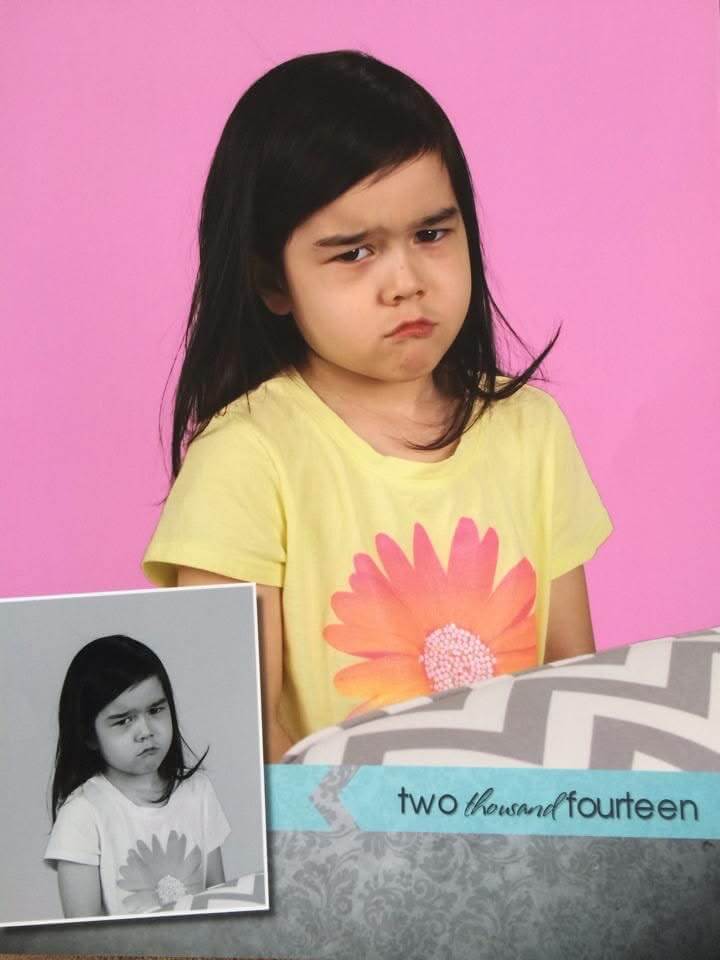
Those first photos are ready, and with excited anticipation, you open the photo package, but when you pull out the photos, your heart drops. You see the face of your child, but instead of their happy smile looking up at you, there’s a serious, almost sad, tight-lipped expression, or eyes that look uncomfortable, instead of joyful, staring up from the photo.
You wonder to yourself: “Why didn’t they smile?” or “Were they upset?” or “Did something happen to them?”
In my experience, as the parent of a child who has overcome selective mutism, the reality of receiving the picture day photos used to hit hard. Year after year, the beautiful smile I knew existed was not reflected in the photos. From nursery school to kindergarten, when I received the photos of my daughter, I was never sure what little face I would be looking at.
What I look back on now and remember is, despite the anxiety, my daughter was doing something incredibly brave just by being in front of the camera. And you know what? Your child is, too.
School Picture Day With Selective Mutism Can Feel Overwhelming
We know that for a child with selective mutism, unfamiliar social situations can create intense anxiety. School picture day combines many stressful elements all at once:
- A change in routine
- Bright lights and cameras
- Long lines of peers watching
- Pressure to “perform” on command
- An unfamiliar photographer giving directions
- Adults encouraging them repeatedly to smile
Even children who smile and laugh comfortably at home may freeze in situations where they feel observed or evaluated. Imagine what it must feel like for your child with selective mutism.
Smiling on command may seem simple to others, but anxiety can make facial expressions feel physically difficult. Some children become so tense that their face appears flat, stiff, or uncomfortable, even when they want to smile.
Being “Quiet” Can Look Like Defiance or Rudeness, But It’s Not 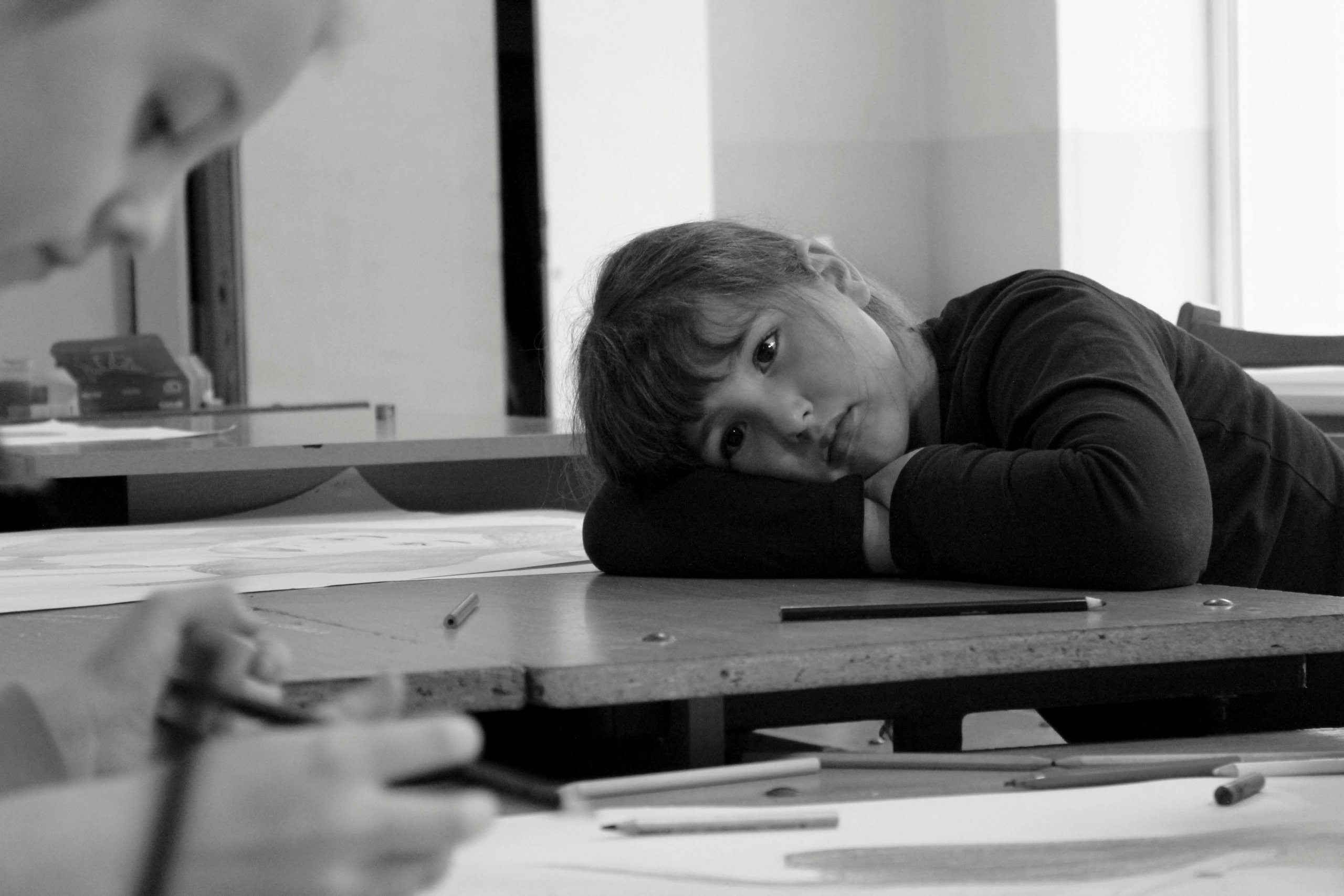
One of the hardest parts, after picture day, is hearing from the adults involved that your child didn’t smile and questioning why. Their sad, mournful look, which was anxiety running rampant in their little body, can often be misunderstood.
Our children with selective mutism are not refusing to smile to be difficult. They are not trying to ruin the picture. They are not ungrateful or unhappy. They are anxious.
We know that anxiety affects the body in powerful ways. When a child’s nervous system goes into “freeze mode,” their muscles may tighten, their voice disappears, and smiling can suddenly feel impossible.
In some cases, children later look at their pictures and wish they had smiled, but in that moment, they literally couldn’t. Some even feel embarrassed or disappointed afterward.
Your Child’s Face Can Still Tell a Story of Courage In Their School Portraits
As parents, we often feel pressured to get “the perfect school picture,” but a school photo does not need a huge grin to have meaning.
That picture may represent:
- Your child tolerating a stressful situation
- Your child showing up despite overwhelming anxiety
- Your child standing independently in front of strangers
- Your child surviving a moment that felt very big to them
That is courage. The serious school picture is actually a reflection of how hard your child is working internally every single day.
The Smile You See at Home Is Still There
One of the most confusing parts of selective mutism is that we know how silly, expressive, talkative, and joyful our child can be in comfortable environments.
At home, your child may laugh nonstop, make funny faces, and smile constantly.
The absence of a smile at school does not mean your child has lost their personality. It simply means anxiety temporarily took over at that moment.
What Helps Children With Selective Mutism on Picture Day?
While every child is different, there are ways we can help reduce anxiety around school pictures.
Here are some useful tips:
Prepare Ahead of Time
Talk about picture day beforehand in a calm, pressure-free way. Explain what will happen step-by-step so there are fewer surprises.
You can even practice at home:
- Looking toward the lens
- Standing in front of a camera
- Trying different facial expressions
- Pretending to hear directions from a photographer
Remove Pressure to Smile
Children often become more anxious when adults repeatedly say:
- “Smile!”
- “Come on, just one smile!”
- “You always smile at home!”
The more pressure they feel, the harder smiling may become.
Instead, focus on reassurance:
- “It’s okay if your face feels nervous.”
- “You just have to do your best.”
- “I’m proud of you for trying.”
Let the School Know
Teachers, staff, and volunteers may not realize how stressful picture day can be for your child.
Sharing a brief explanation about selective mutism can help adults respond with patience instead of pressure. Some children benefit from:
- Going earlier when lines are shorter
- Having a familiar adult nearby
- Extra processing time
- Reduced verbal demands
Include Your Child in the Process
Having a conversation with your child is an important step in overcoming picture day anxiety. As previously discussed, letting them know ahead of time that picture day is coming is important. Equally important, is letting them pause having their photo taken until they are ready. That might mean a year or more. After her kindergarten picture day, my daughter shared with me that she didn’t want any more photos taken in school. So, we opted out of picture day. We didn’t get the annual school picture taken, but in the grand scheme of things that didn’t matter. What mattered was not putting my daughter through the anxiety of having her picture taken. Instead, we listened to her using their voice to express her needs.
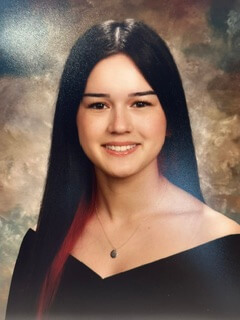
My Daughters School Portraits (posted with permission)

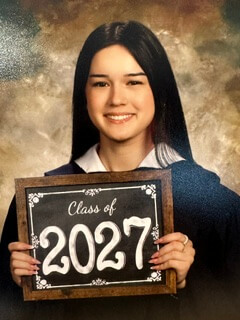
A few years later, she came back to me and let me know she was ready. Ready to try again with picture day. Ready to go in front of the camera. Ready to try to smile.
And you know what? Those pictures came back with the natural, beautiful smile that my daughter puts out into the world.
Last week was her senior picture day and she got herself ready: nails, hair, outfit, smile. When I received the link to open the pictures I felt excited for what I was going to view. I was not disappointed. There was my little girl, in her senior pictures, smiling and putting it out for the world to see. To say it was worth the wait would be an understatement. I cherish every school picture, but seeing those senior pictures felt like a full circle moment of just how far she has come.
My Advice As A Selective Mutism Therapist
If you see a child with a serious expression in their school photo, try not to assume anything negative. Some children are carrying invisible anxiety that others cannot see. Instead of asking why they did not smile, consider recognizing the bravery it may have taken just to participate.
As parents, we naturally want photos that capture our child’s happiness. But sometimes the most meaningful school pictures are not the ones with perfect smiles. Sometimes they capture resilience. Sometimes they document a season when a child was quietly fighting anxiety every day.
And sometimes, years later, those same children look back at those serious school photos after finding their voice, their confidence, and their smile. Until then, that picture still deserves a place on the wall.
Because it tells the story of a child doing the very best they could in a moment that felt overwhelming. And that is something worth being proud of.
Begin Working with a Selective Mutism Therapist in Scotch Plains, NJ
Picture day anxiety is often just one small piece of the larger challenges children with selective mutism face in school and social settings. At Brave Minds Psychological Services, we help children build confidence, reduce anxiety, and strengthen communication skills at their own pace.
To get started:
- Contact Brave Minds Psychological Services
- Schedule a free phone consultation
- Take the next step toward helping your child find their brave voice
We provide compassionate, evidence-based selective mutism treatment in Scotch Plains, NJ and surrounding communities.
Overcoming Social Anxiety and Selective Mutism in New Jersey
In addition to selective mutism treatment in Scotch Plains, NJ, we offer therapy for children, teens, adults, and families, including:
- Child and teen therapy
- School and back-to-school anxiety support
- Parent coaching and family support
If you’re looking for a selective mutism therapist or support for anxiety-related concerns, our team is here to help. We proudly serve Scotch Plains, Branchburg, Fanwood, Westfield, Cranford, New Providence, and surrounding New Jersey communities.