

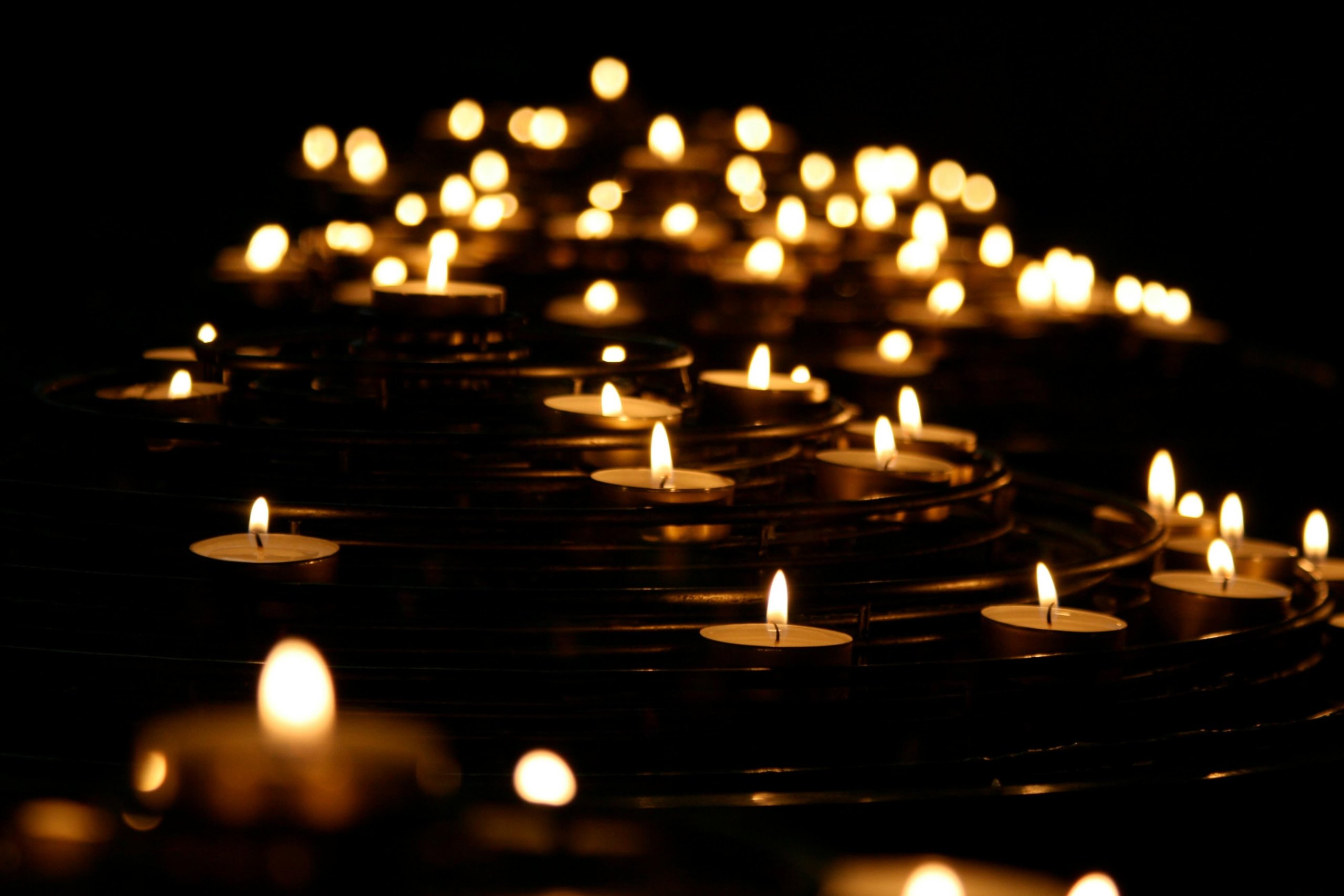
Grief is a deeply personal experience that has the potential to leave us raw and reeling. These experiences that profoundly impact us are not something that we simply just “get over”. Instead, grief is something that we learn to carry with us.
One of the profound ways we “carry” our grief is through rituals. Throughout history and across diverse cultures, rituals have consistently served as vital practices. These practices honor those we’ve lost, foster connection, express our deepest love and pain, and ultimately discover renewed meaning in life.
Take, for instance, the vibrant tradition in Mexico where families construct Ofrendas—altars adorned with food, pictures, candles, and marigolds—for Día de los Muertos (Day of the Dead). This annual celebration welcomes the spirits of their loved ones back for a night of remembrance and joy.
Similarly, in Jewish tradition, families observe Shiva, a week-long period of formal mourning with specific customs that allow the community to offer comfort, prayer, support, and sustenance to those grieving.
And in Ireland, traditional wakes bring together friends and family to share stories, mourn, and also celebrate the life of the departed.
While these may all be different practices, they all follow similar themes and goals – connection, remembrance and meaning-making. They serve as a reminder that grief is not a journey that we need to walk alone.
Why Do Grief Rituals Matter?
Grief and loss can leave us feeling profoundly destabilized and out of control. Rituals provide us with much needed structure in times of uncertainty. They help us embrace the reality of the loss, regain a sense of control and effectively regulate and express our emotions. We often experience death as the ultimate loss of connection. Rituals serve as a reminder that love doesn’t end with death, it just gets reshaped. Our connection may shift, but its essence remains. Rituals also provide us with intentional time to grieve. It’s common to suppress painful feelings and try to avoid feeling them. Setting aside time for ritual gives us a chance to confront our grief with intention and presence. This enables us to carry our loved ones’ memories forward with us into the future, while also allowing ourselves to continue to be present in our lives.
Every culture may have different, specific rituals that are central to their healing. Personalized grief rituals allow us to honor and hold space for the intense feelings that can accompany loss. There is no right or wrong ritual, just the ones that bring you the most comfort and feel the most meaningful. Feel free to pull from examples below, or be as creative with it as possible and totally customize your ritual.
Daily practices
- Saying a prayer every morning
- lighting a candle,
- wearing something of theirs (jewelry),
- talking aloud to them,
Weekly or monthly rituals
- Making their favorite meal
- listening to their favorite song or artist
- writing them a letter
- visiting a meaningful place
Annual rituals
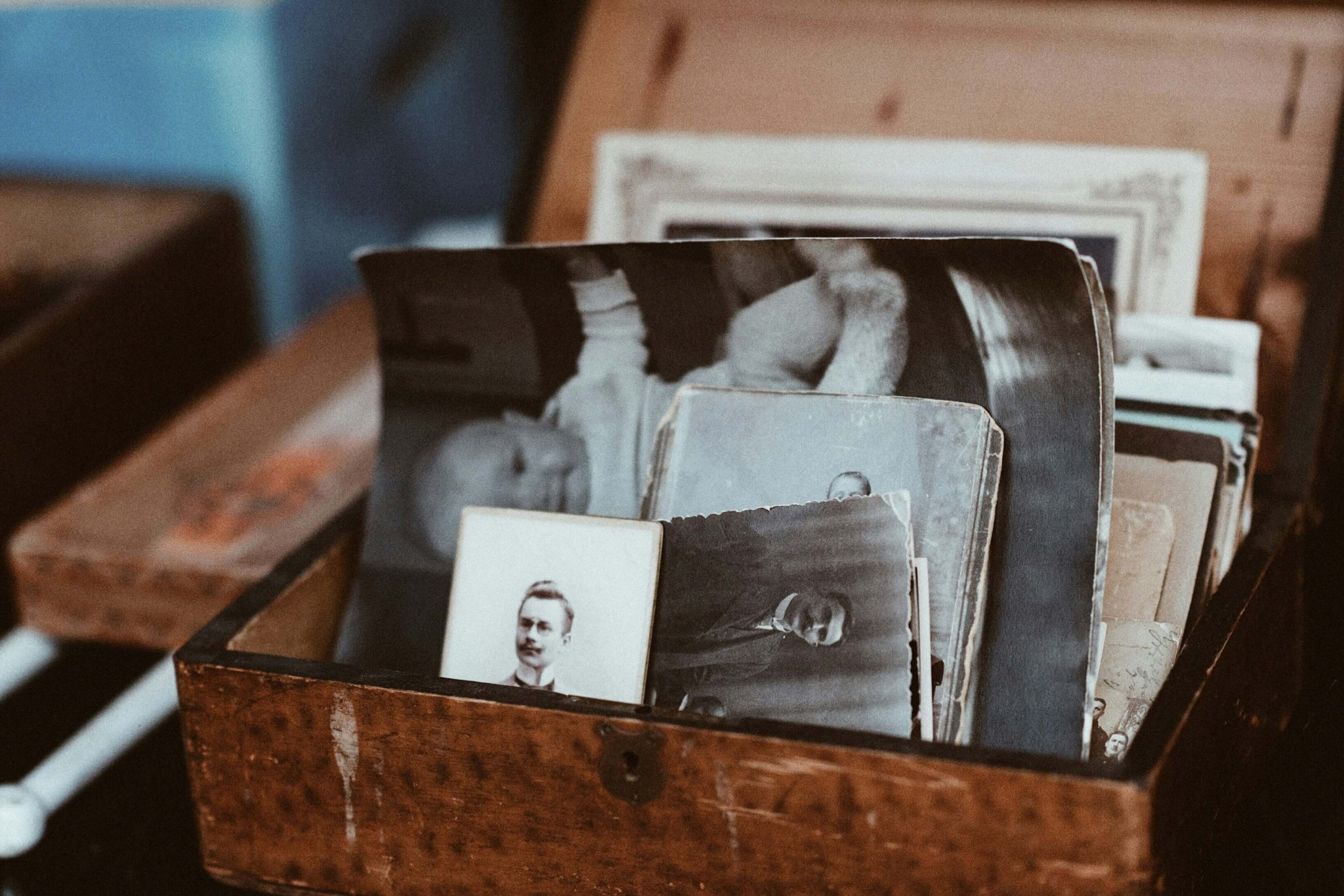
- Making memory boxes
- making a donation in their name
- releasing lanterns or butterflies
- scattering ashes
- creating a permanent memorial (bench, tree plaque, etc.)
- celebrating their birthday
- planting a tree or garden
- anniversary rituals on the year mark.
How Do I Cope After Losing A Loved One?
1- Identify Who Or What You Want To Honor
Ask yourself some questions to get a clear picture about who you want to honor: Are you honoring your friend, your mom, or even your pet? What aspects of them are important to you that you want to remember? Their kindness? Humor? Their strength or resilience? What did the relationship mean to you? What do you miss most about them? It’s important that your grief ritual reflects who they were and what they meant to you rather than simply doing what you think you “should” do.
2- Choose A Symbol And Make It Sacred 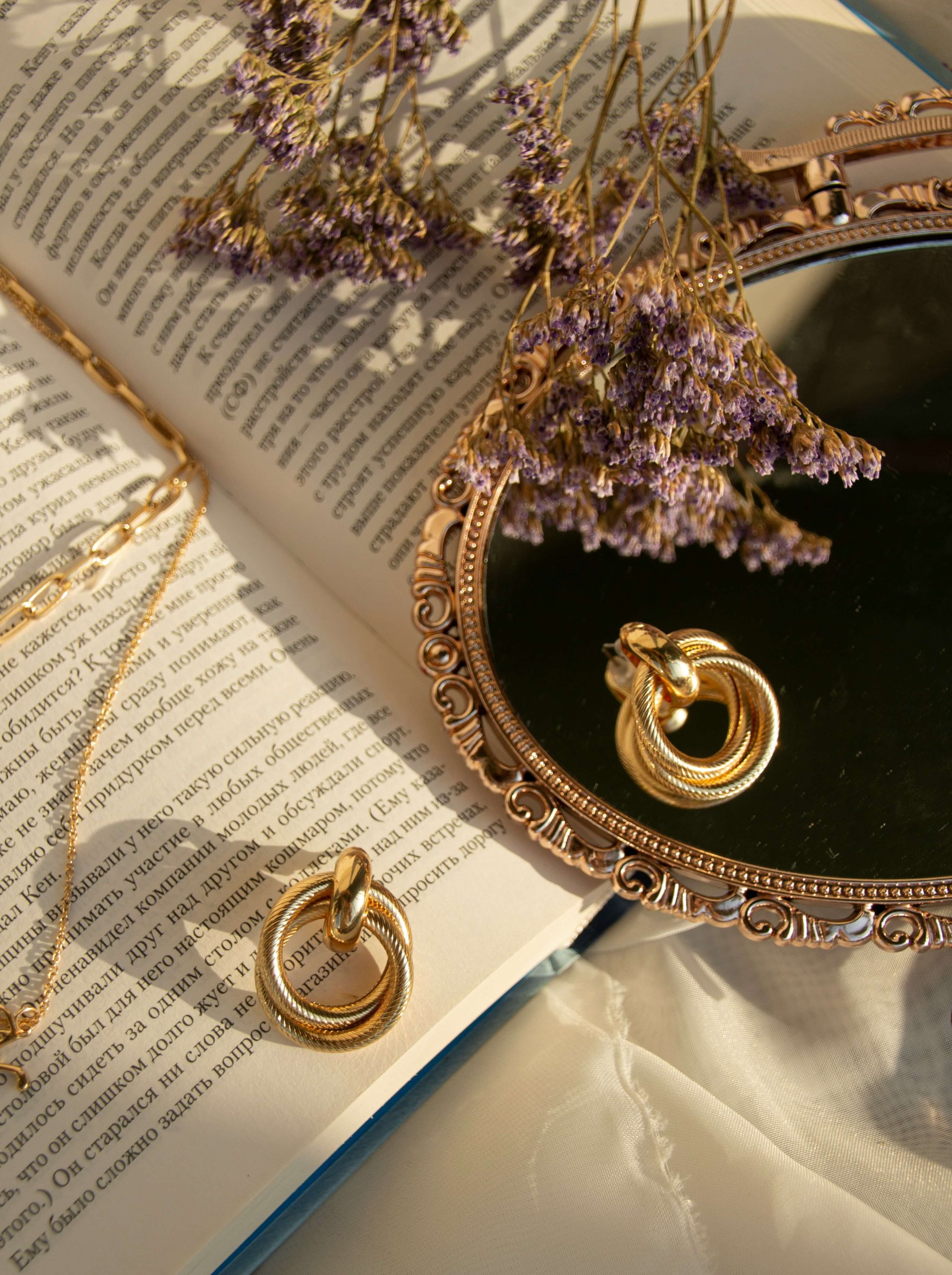
Rituals can be strengthened by incorporating physical objects or physical places. Is there an object that is connected to your loved one? For example, a piece of their jewelry, a photograph or an item of their clothing can work. If we are grieving the loss of a job or moving homes, perhaps something of symbolic value can be selected, such as a business card, mail with our old address on it, or a rock from the garden. Consider if there is a place such as a trail path they liked to walk, a memorial, or gardens that represent their love for gardening.
Once you’ve chosen your symbol or place, make it sacred through intention. Rituals need structure – a clear beginning and end that sets them apart from everyday activities. This isn’t just holding an object or visiting a place. It’s creating a meaningful moment where you can honor what you’ve lost and feel connected to what still remains.
The power lies not in the object itself, but in the intentional way you engage with it.
3- Use Movement
Our bodies can hold grief in ways that our minds may not even be aware of. Grief can show up as tension in our shoulders, heaviness in our backs and chests and general exhaustion throughout our bodies. Moving our bodies can help us express and process our emotions in ways that words cannot. For example, going for a walk in nature, dancing to their favorite song, or yoga can allow us to move through our grief physically, not just metaphorically. Gardening or doing physical labor can ground us and connect us to the cycles of life and death. Start small and listen to your body without judgement.
4- Interaction
Interaction with the chosen sacred object, or with others allows us to transform and work with our grief. If our object is a rock from the garden, can we hold it tight? You can also decide if your grief ritual is something that you want to keep private, or if this is something that you would like to invite others into.
Throughout history, grief rituals have centered around one powerful element: connection. There’s profound wisdom in this tradition. Isolation can feel crushing, but community has this incredible ability to counter that isolation that we feel in grief.
When we bring together people who understand our pain, our grief and pain get to be witnessed, acknowledged, and honored. This validation reminds us that our loss matters, making the unbearable feel a little more manageable.
Grief is exhausting in ways people don’t always understand – it’s physically draining and emotionally disorienting. Having a community means we don’t have to carry that weight alone.
5- Repetition and Flexibility
There’s no right answer of how frequently you should practice your rituals. Practicing consistently enough that the ritual has meaning, but flexible enough that it isn’t burdensome. Repeating rituals frequently, whether on anniversaries, holidays, birthdays or even daily, allows us to continue to connect with our loved ones. That being said, grief, and our relationship with it can grow and change, and with it so can our rituals. Some may become lifelong traditions while others may fade away.
Rituals aren’t about stopping grief, instead it is about holding space for it. They allow us to reflect, remember and reconnect and serve as a reminder that healing isn’t about “moving on”, it’s about moving forward with remembrance and love.
Grief Counseling in NJ is Available
Don’t let grief consume your daily life. Follow these simple steps to start your journey toward healing and support:
- Reach out for a free phone consultation with a grief specialist who understands grief and loss
- Start meeting with a therapist who recognizes the unique complexity of grieving
- Begin building the emotional tools and coping strategies you need to navigate this difficult time with greater peace and resilience!
Call Brave Minds Psychological Services at 908-224-7727 today and discover how specialized grief therapy can help you honor your feelings while finding strength during this challenging journey.
Grief Counseling NJ for the Whole Family
Beyond specialized grief therapy, there are numerous resources and services designed to support those facing impending loss and their loved ones. At Brave Minds we understand that grief affects entire family systems, which is why we offer:
- Family Therapy and couples counseling with therapists who understand the unique dynamics of loss, helping address the strain that comes with caregiving responsibilities and the emotional weight of waiting.
- Therapy for children and teens who are struggling to understand and process their feelings about losing a grandparent, parent, or other loved one
- EMDR therapy for processing trauma related to watching someone decline