

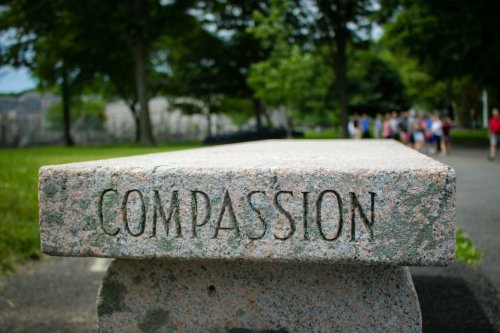
In working with young people who have experienced bullying, one belief I’ve encountered stands out: the idea that people are inherently hateful toward those who are “different.” While this belief may reflect a painful lived experience, it can become a limiting belief that holds us back. Furthermore, it reinforces the very systems that allow bullying and exclusion to persist.
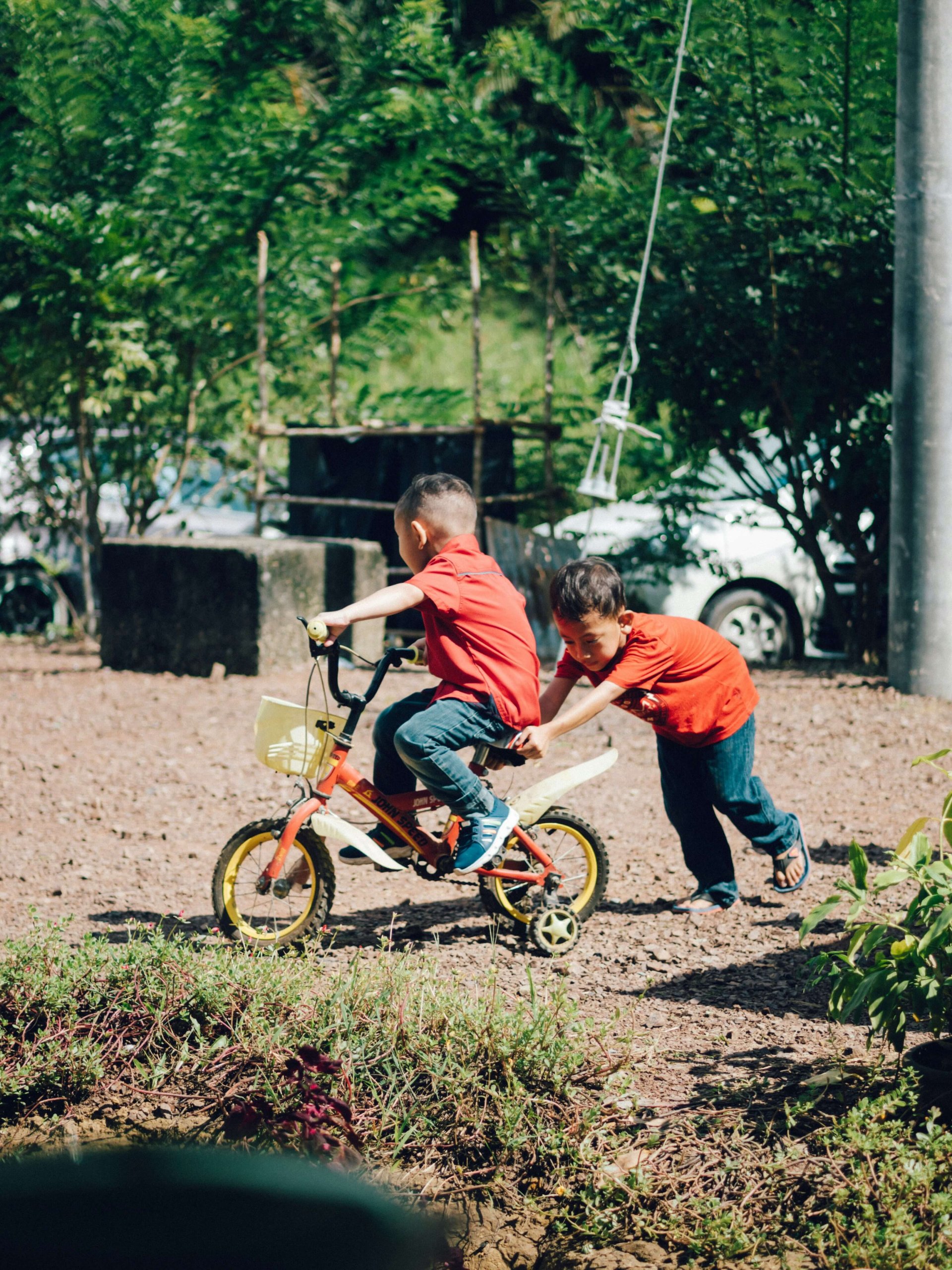
This disconnect between our natural compassion and learned hatred is at the heart of many problems children face today. The truth is, babies are not born with hatred. They are born with curiosity and openness. We see this clearly in how effortlessly young children play with others, regardless of background, language, or appearance. Hatred, prejudice, and fear of difference are learned. They are taught—directly and indirectly—through family, community, culture, and media.
The Reality: Hatred is Learned
Parenting is one of the most meaningful and demanding roles we can take on. Beyond keeping children safe and healthy, parents are tasked with nurturing their child’s spirit, mind, and emotional well-being. It’s no small feat. Even with the best intentions, many parents struggle to break patterns inherited from their own upbringing—especially when those patterns contribute to larger systemic issues like exclusion, emotional suppression, or intergenerational trauma.
The Challenge We Face
So how do we raise a generation that is healthier—emotionally, socially, and psychologically? How do we prevent the pain of youth from carrying into adulthood and passing on to the next generation?
It starts with us. But what does that actually look like in practice?
We all want to raise compassionate, resilient, emotionally intelligent, and socially aware young people. To do that, we must model the values we hope to instill. How we navigate conflict, speak about others, honor emotions, and handle differences—all of this is part of the education we provide our children, whether we realize it or not. And yes, that can feel overwhelming, especially if we didn’t grow up with these examples ourselves.
But healing and growth are possible.
The Need for Guidance in NJ Communities
This lack of guidance is particularly challenging during adolescence, when young people are naturally seeking identity and belonging. Children need healthy adult role models to guide them through the complex journey from childhood into adulthood. Historically, many societies had meaningful rites of passage—rituals, ceremonies, or structured guidance—that helped young people leave childhood behind and enter adulthood with a grounded sense of identity, responsibility, and belonging. Today, many of those traditions have been lost or diminished, yet the developmental need for this transition remains.
When positive adult guidance is missing, young people may turn to peers or unhealthy influences to fill that gap. In some cases, this can lead to involvement in gangs, cults, or other high-risk groups that offer a false sense of identity, belonging, or initiation. Without stable, emotionally mature adults to walk alongside them during these critical years, youth are left to navigate complex emotional terrain without a compass.
Creating Change
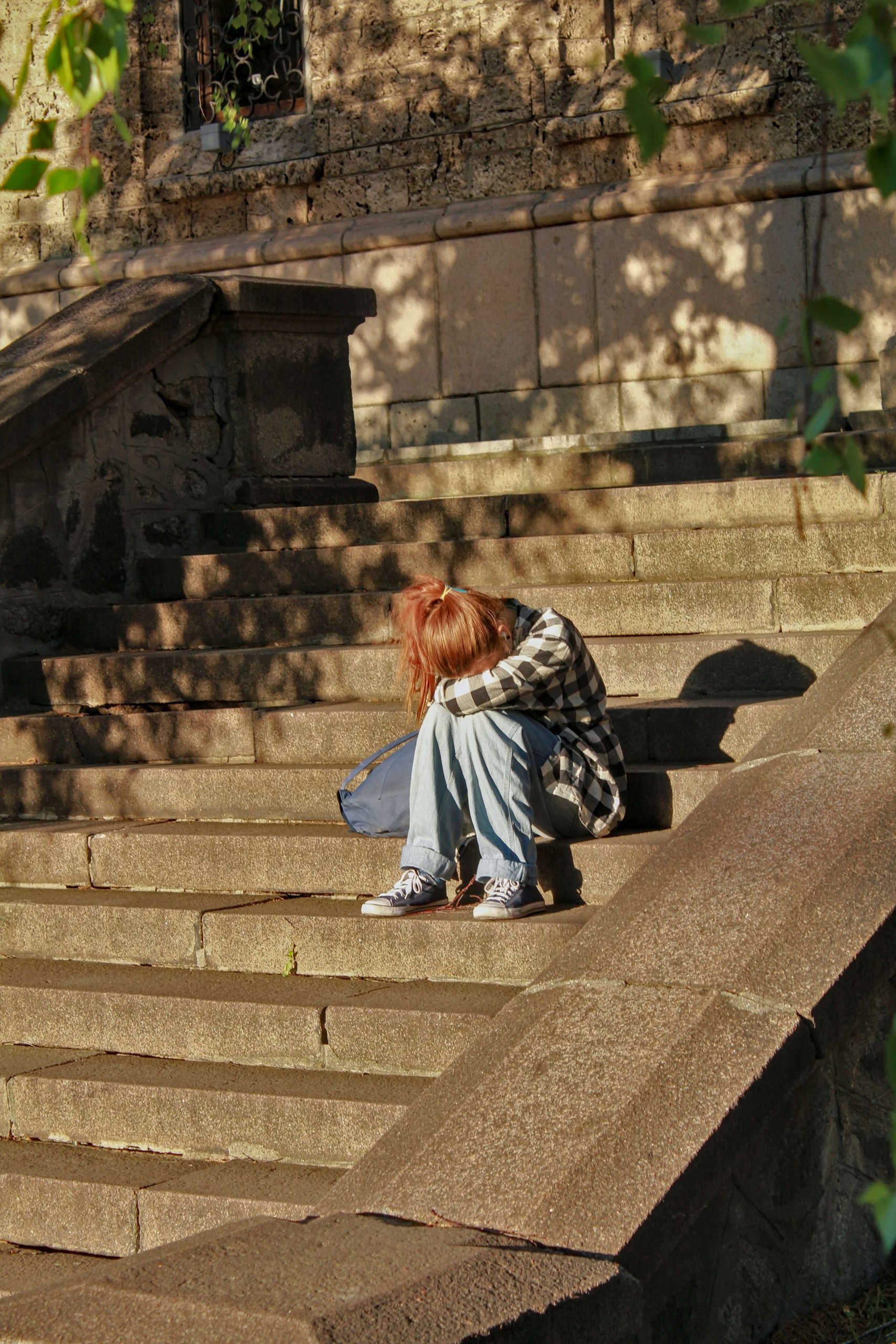
Breaking the cycle of intergenerational trauma means taking what was helpful from our own upbringing and letting go of what no longer serves us—or our children. It means being intentional. Talking with our children as partners in learning instead of to them as passive recipients. Listening deeply. Reflecting on our own patterns and being willing to do the work of change.
Children learn more from what we do than what we say. They are watching us, every day, to understand how to be in the world.
This might mean examining our own reactions to differences, practicing emotional regulation in front of our children, or having honest conversations about prejudice and fairness.
If you’re feeling unsure of where to begin, support is available. Therapy—whether individual, family, or parent-focused—can offer tools, insight, and guidance to help you become the parent you want to be, not just a reflection of how you were parented. You don’t have to do this alone. The children watching us today will become tomorrow’s adults. By choosing healing and growth, we’re not just changing our own families—we’re contributing to a more compassionate world.
Mindful Parenting in NJ
Brave Minds provides compassionate support for families raising emotionally healthy, resilient children. Watching your child struggle with exclusion or bullying—or recognizing harmful patterns repeating in your family—can leave you feeling overwhelmed and uncertain about how to break the cycle.
Don’t let cycles of intergenerational trauma continue. Follow these simple steps:
- Reach out for a free phone consultation with a therapist who understands emotional regulation and compassion development
- Start meeting with a parent coach who can help you break unhelpful patterns and model healthy values
- Begin building a toolkit of mindful parenting strategies for raising empathetic, emotionally intelligent children
Call Brave Minds at 908-224-7727 today for parent coaching and child therapy in Branchburg NJ.
Supporting NJ Families in Building Compassionate Futures
At Brave Minds, we understand raising emotionally healthy children requires whole-family support. We offer:
- Parent coaching NJ for mindful parenting and emotional regulation skills
- Child therapy in Branchburg, NJ for navigating bullying and peer relationships
- Counseling for teens Branchburg NJ during critical developmental years
- Family therapy to address intergenerational patterns
This support network ensures your child receives compassionate role modeling and your family develops emotional health and resilience.