


When you open social media, you are likely expecting to catch up with your friends and family. Maybe you’re looking for a distraction or searching for a laugh in the form of funny animal videos. But lately, instead of dogs doing silly tricks or wholesome posts from your loved ones, more tragic news and video footage has been flooding our newsfeeds. Another US citizen was shot – more violence, more people hurt, more human rights violations. The content is distressing, and yet, somehow none of it feels new anymore.
If you’re feeling heavy about the state of America right now, you’re not alone. As a therapist, I’ve been seeing this show up in my sessions more and more. Many of us are feeling something, but perhaps we don’t have any appropriate words to describe that feeling. Sadness, shock, anger, fatigue, guilt and helplessness are all normal responses to the current affairs in this country.
Maybe you find yourself thinking about ICE, immigration, human rights, or the overall state of this country more than you would like to. Some people may be surprised at how much this is impacting them, even if nothing is directly happening to them. But perhaps what we aren’t understanding is that these feelings we are having are beyond stress and frustration. Sure, those feelings are part of it, but this is grief, and it should impact us; it goes beyond politics. We are experiencing moral distress, we are witnessing harm in real time, and we feel powerless to stop it.
When we think of grief, most of us think of the loss of a person. But the truth is that we can grieve just about anything. People are grieving the loss of safety, the ideas we had about our communities, trust in our government and systems, or our beliefs in human rights. However, unlike when we grieve a person, there is no funeral or sense of closure that accompanies our grief.

We are experiencing ambiguous loss. This is grief when there is no clear ending, or no one singular, concrete thing or event we can identify as being grieved. Instead, it is ongoing and left unresolved, as if it was something that we thought we could depend on that no longer feels the same. The country and systems are still here, sure. But for many of us, they are now beyond recognition. This is what people are experiencing as we watch what is happening every day in this country. It is an ongoing reality, and every news report or new horrible event reopens and amplifies that grief.
For those of us whose values are grounded in justice and human decency, what is currently happening in this country creates a profound conflict with our core beliefs. Maybe you grew up with certain ideals and worldviews, such as the beliefs that our systems should uphold human rights, protect the vulnerable, and ensure that liberty and justice prevail. But when we witness violation after violation of these beliefs, it creates “moral injury”, which is a term coined by psychologists to describe the feelings associated in response to witnessing behavior that is in direct conflict with an individual’s values or moral beliefs. It goes well beyond disappointment and disagreement. It creates a wound to our sense of how the world works. This conflict can foster distress, shame (especially when we think we aren’t doing enough to help), disconnection from those who seemingly do not share our distress, and fear about what’s to come.
The impact of this grief is not limited to the psychological; it affects us physiologically as well. Our bodies don’t know the difference between a physical threat and a moral one. The persistent and chronic exposure to distressing news through social media keeps our nervous systems dysregulated, as if we’re under constant threat. Essentially, to our bodies, we are living in a constant state of stress, which triggers the fight, flight, or freeze response. You might notice this showing up in ways like:
Fight: Anger
This might manifest by getting into online arguments with strangers, feeling irritable with your loved ones, or feeling constant rage simmering below your boiling point. Maybe you want to constantly correct people, debate everyone, or have a sense of combativeness even in unrelated and inappropriate situations. You may feel tension in your body, maybe in your shoulders, jaw, or hands.
Flight: Avoidance
You might find yourself binge watching light hearted content or shows, avoiding conversations about current events, or feeling disconnected or numb. Maybe you’re noticing yourself sleeping more, or focusing on other things in an attempt to avoid the feelings that come up when you think of triggering topics.
Freeze: Hopelessness and Helplessness
This response may show up by feeling stuck or paralyzed, or having a sense that nothing you do will matter anyway. You may feel indecisive, struggle to take care of yourself, or feel incapable of taking action even when you want to.
Most people will cycle through these responses. It is important to understand that this is a nervous system response, and has nothing to do with your character. If we can understand that, we can give ourselves some grace and compassion as we navigate the ongoing grief.
So what can we do about this grief?
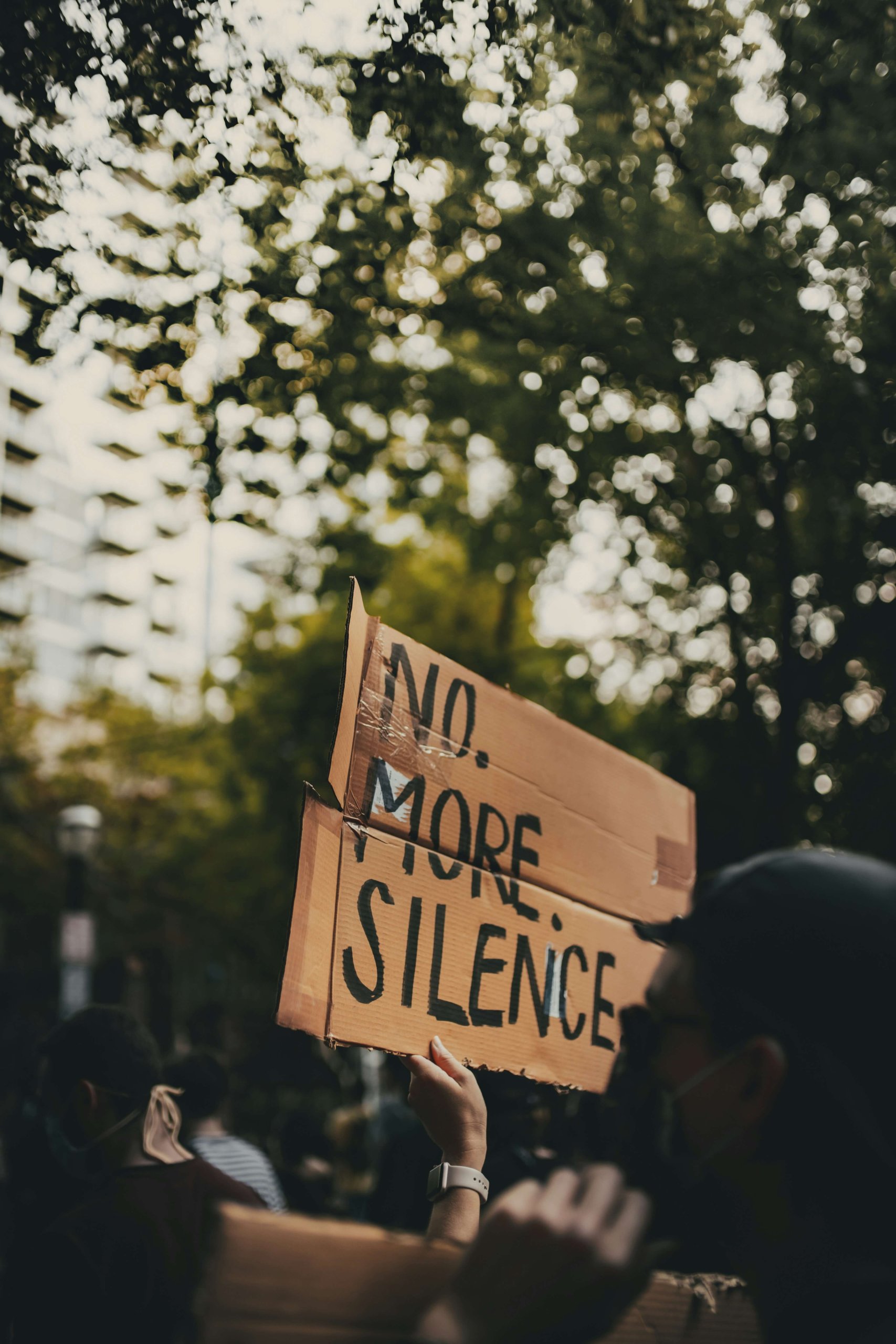
Name what you are feeling: There’s a quiet power in being able to name our experiences. By identifying our feelings, we can reduce their intensity. Think “name it to tame it”. Start by getting specific about what you’re feeling. You can name these feelings out loud to yourself, or write it down in a journal. By identifying what you’re feeling and experiencing, you are able to respond instead of react.
Connect with others who share your values: In a time where it feels like people aren’t getting it, connect with those who do. Community is important, especially now. Whether that’s a trusted friend or family member, a support group, an online community, or a therapist, sharing our feelings can help us feel less alone in them.
Set boundaries with news and social media: This doesn’t mean pretending none of this is happening. It means being intentional about your consumption of media. Our nervous systems need a break from being constantly activated, so consider setting designated times to check versus constantly scrolling.
Allow yourself to feel: Grief does not have to be all consuming. We can grieve and still allow ourselves moments of joy and laughter. Being human means feeling many things at once, even if they feel contradictory. Allow yourself to feel those moments of lightness when they come.
Take small action steps: Can you write to your legislators, donate to organizations, volunteer your time, or support aid efforts? Choose something that feels feasible for you. Taking even small steps can help to reduce these feelings of helplessness, and help to restore your sense of agency.
Remember this grief is real, and it’s valid. And though there might not be a neat resolution, or a moment where things will suddenly shift and feel okay again, you don’t have to carry this alone. And as we continue to bear witness to what’s unfolding, remember that your distress, your care, and your determination and refusal to accept this by becoming numb to it are signs of your humanity. Be patient with yourself as you navigate these complex feelings of grief. Keep talking about it. Keep finding your people. And keep taking the small steps that are contributing more change than you think. Your grief means that you haven’t lost the things that matter most: your compassion and empathy, your values, and the belief that things should be different.
Grief Counseling in NJ is Available
Feeling the weight of collective grief, moral injury, or overwhelm from current events? You don’t have to carry it alone. Brave Minds Psychological Services offers compassionate support to help you process complex emotions and stay engaged without burning out. Our team of caring therapists understands that grief isn’t just about losing a person; it’s about losing safety, trust, and the world as we thought we knew it.
Start your therapy journey by following these simple steps:
- Reach out for a free 20-minute consultation
- Meet with a compassionate therapist who understands collective grief and moral injury
- Start building resilience and coping strategies to navigate these challenging times!
Call Brave Minds Psychological Services at 908-224-7727 today.
Supporting Your Mental Health Through Uncertain Times
Beyond grief counseling for collective trauma and moral distress, Brave Minds Psychological Services offers comprehensive mental health support to help you navigate life’s challenges. We understand that the emotional impact of current events intersects with many areas of mental health, which is why we offer:
- Anxiety therapy for those experiencing heightened worry, panic, or constant activation of the stress response
- Depression counseling to address feelings of hopelessness, numbness, or disconnection from joy
- Trauma therapy and EMDR for processing distressing experiences and regulating your nervous system
- Family therapy to strengthen communication when loved ones don’t share your perspective or emotional response
- Online therapy across New Jersey, making compassionate care accessible no matter where you are in the state
We also specialize in helping clients set healthy boundaries with social media, develop effective coping strategies for emotional overwhelm, and find meaningful ways to take action aligned with their values. Visit our blog to learn more about mental health, resilience, and navigating difficult times with compassion for yourself and others.