


When someone we love is diagnosed with cancer it can feel daunting to know how to talk about it. Sometimes we avoid the conversation altogether. Or the conversations become emotionally charged.
Our ability to connect with our loved one and offer them comfort is influenced by a few things totally out of our control:
- Fear of saying the wrong thing
- The belief that we need to be the “strong” one
- General discomfort with not knowing how to address the gravity of the situation at hand
Maintaining open, honest and compassionate communication is crucial not only for your loved one, but also your own emotional well-being too.
Recognize that while having a conversation may be difficult for you, this is ultimately about them. Creating a space where they feel safe and comfortable to share whatever they’re feeling may be anything but comfortable for us. Don’t force the conversation, but leave the door open for them. Gentle prompts that validate their emotions can be supportive. By acknowledging that you may not fully understand, but reassuring them that you’re there can be helpful. Statements like: “I can’t imagine how hard this is, but I’m here for whatever you may need”, can go a longer way than we realize.
Sometimes they’ll want to talk about their illness, and sometimes they won’t, but your presence means more than any words could. Talking about funny memories, doing everyday things, or even sitting silently together can be a source of support, strength and connection.
If they do want to talk, listen without judging or interrupting them. Active and attentive listening means resisting any urge to offer advice, reassurance or anecdotes. Follow their lead. So that if and when they need some levity or distraction, you can allow space for that too.
How to support someone with cancer 
Aim for Presence, not Perfection.
You don’t have to fix it. You don’t have to say something profound.
Often, what matters most is your presence and willingness to sit in the uncertainty with them. Being willing to sit with someone and bear witness to their pain, both emotional and physical, shows them that they do not need to carry the weight alone. Instead of worrying about crafting the perfect response, sometimes simple statements like “I don’t know what to say, but I’m here with you” can be comforting and validating.
Let them set the tone.
Some people may feel comfortable talking openly about their diagnosis, while others might need space. Allow your loved one to guide how much they want to share. It’s also okay if your conversations aren’t about cancer. Sometimes just discussing regular everyday life can be a welcome relief.
Validate without Toxic Positivity
Even the most well-intentioned statements may sometimes feel dismissive when someone is scared or grieving. Instead of telling someone to “stay positive”, or reassuring them that everything will be okay, try validating their fears and feelings. Acknowledging the difficult challenges they are facing can be so supportive.
Avoid avoidance
We can unintentionally send the wrong message by avoiding the topic altogether. Avoidance can communicate that we’re uncomfortable or imply that what they’re going through is “too much” to talk about. Simple acknowledgments like a “I’ve been thinking about you” can help someone feel supported and seen.
Offer specific, tangible support
Even simple small gestures can make a huge difference. Vague general offers like “let me know if you need anything” can feel overwhelming, and they might not know how to ask for help, or what to ask for. Instead, try to be specific. Maybe you can bring them dinner, help with groceries or other errands, attend appointments, or offer to sit with them through treatments.
Caring for Yourself as a Caregiver – Therapy for Caregivers in NJ
Supporting someone through cancer can be emotionally and sometimes physically exhausting. Your own feelings are valid, and it’s important to make space for them through therapy, journaling or other forms of connection and self care. There is space for your own fear, sadness and helplessness.
Ultimately, it is important to recognize that there is no singular, perfect script for supporting a loved one through a cancer diagnosis. People often hold onto the feelings and actions more than the specific words spoken. What truly resonates is whether they felt seen, held, and less isolated in their experience. Your presence and willingness to show up, even imperfectly, can be the most profound source of connection and strength you can offer.
Support for Relatives of Cancer Patients in NJ 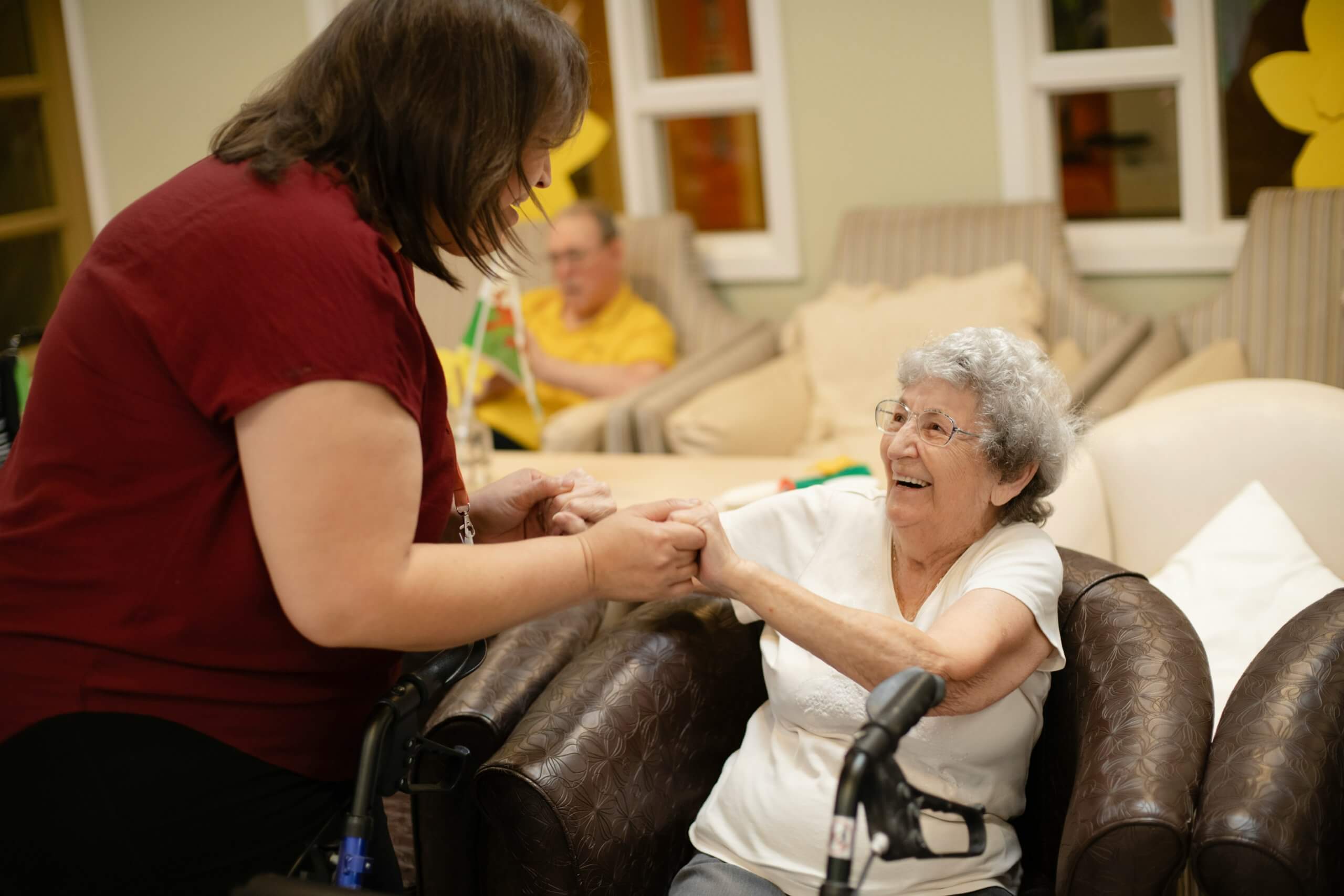
You don’t have to navigate this alone, either. If you’re supporting a loved one through a cancer diagnosis and finding it’s taking a toll on your own well-being, therapy can help you process the fear, grief, and exhaustion that often go unspoken. At Brave Minds Psychological Services, we offer a calm, trauma-informed space for caregivers in Scotch Plains and Branchburg, NJ to be supported — not just supportive. Schedule a consultation to talk with one of our therapists.
Therapy for Caregivers
Caregiver & Family Support Therapy — Support for those caring for a loved one through illness, helping you manage stress, grief, and emotional overwhelm while staying present for the people who need you.
Anxiety & Stress Management — For caregivers whose worry or anticipatory grief is starting to interfere with daily life.
Grief & Loss Counseling — For families navigating a difficult prognosis, anticipatory grief, or loss.
Individual Therapy for Adults — One-on-one support to process what you’re carrying, separate from your caregiving role.