

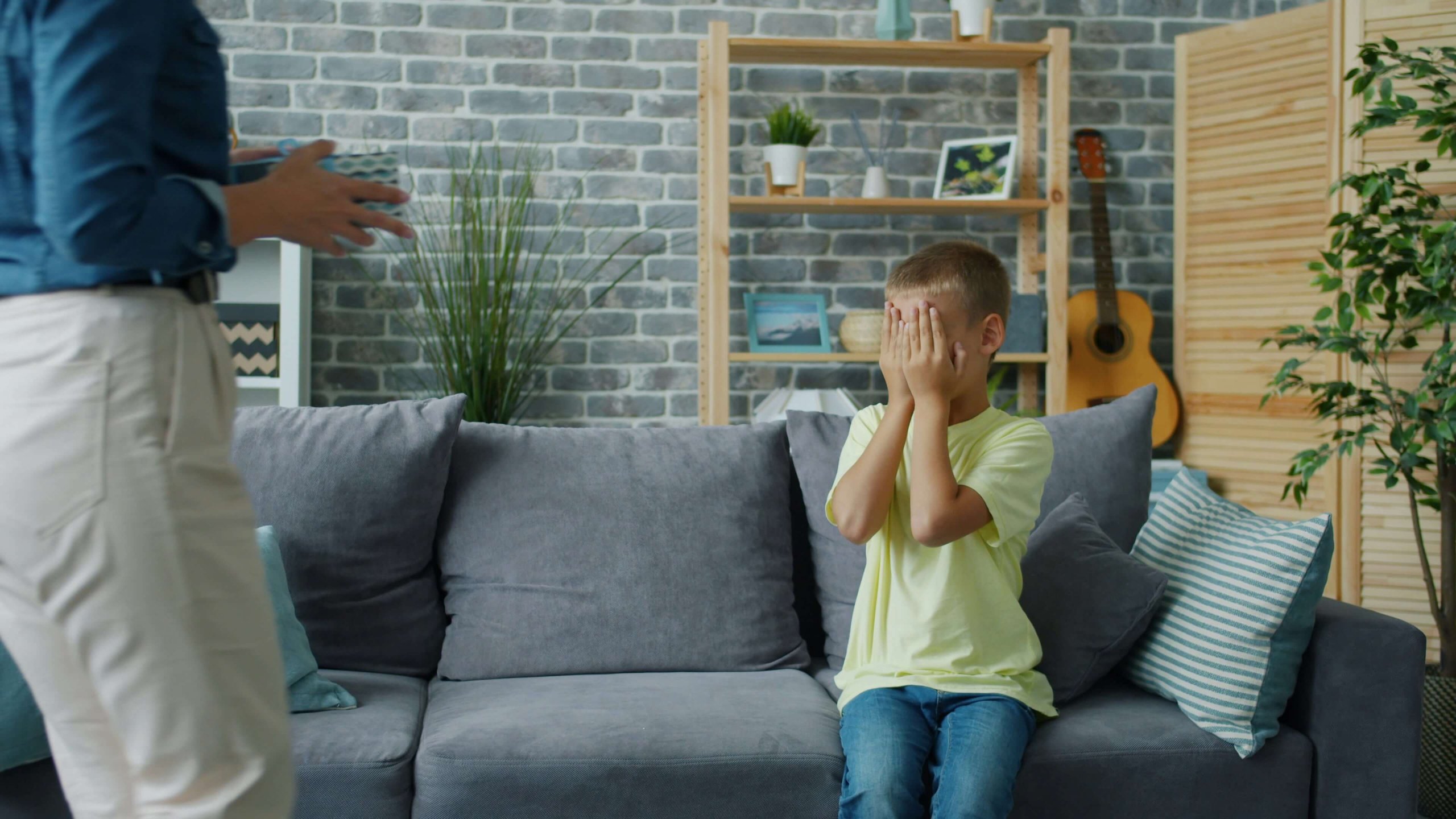
I hated therapy as a child.
I thought the whole idea was stupid.
Sitting in the small room in the spot that was the furthest away from the therapist thinking “oh my god… when is this lady going to stop talking”. It was so so obvious that I didn’t want to be there. When individual sessions didn’t work, my parents tried something else: family sessions. Me, my sister, my mom and my dad.
Nothing changed for me.
I still hated it. My mom, dad and sister would all talk and share about their feelings and maybe even play a game here and there. Me? Still nothing. I just hated being forced to go somewhere I didn’t want to be…
To be completely honest, I saw no pros to the situation. Most of the time in a family session, someone would end up crying. I HATED that. It made me so uncomfortable. One person would cry and everyone else would just stare at them with worried looks. Why was I going to open up and share if I was just going to get stared at if I cry. Again, I thought the whole therapy “thing” was stupid.
I often find myself reflecting on this experience thinking: what would have made it less miserable? Now working with resistant kids who remind me of my younger self, I see clearly what could have changed everything.
Let’s Start with Where Therapy Went Wrong:
1. Lack of choice. 
I felt forced to go. It was never a conversation beforehand of “oh me and your dad are getting divorced, how do you feel about this?” “Would you want to talk about this with someone else?” I mean they’re not getting back together so what’s the point of going to talk about it?
2. Nothing Happened Outside the Therapy Room.
In the therapy room, we would talk about all of these ideas and suggestions to make the transition better… (Well not me though, remember I wouldn’t talk!!). But then nothing would actually happen.
3. Therapy days were brutal.
All day, I was tense and on edge knowing that I was going to be dragged out of my comfort zone to go to therapy.
It seems a little crazy that now I am providing therapy to children and families… I thought I was never going to step foot in a therapy office again, considering I couldn’t wait to get out of one. I know what it’s like to be the resistant child in the room. I’ve reflected on those experiences and realized that my parents weren’t trying to punish me. In fact, it was the opposite. However, the approach left me feeling powerless, misunderstood, and completely disconnected from what therapy could truly offer.
What if My Child Doesn’t Want to Go to Therapy?
5 Game-Changing Tips for Parents of Therapy-Resistant Children
1. Your Child’s Voice Matters – Include Them
No one enjoys feeling talked about as if they’re not there. Remember, your child is an active participant in this journey, not just the subject of discussion. Make sure to involve them by asking questions directly, inviting them to speak, and acknowledging their presence throughout the session.
2. Let Go of Magic Wand Expectations
While goals for therapy are important, it’s also key to remember that change takes time. Expecting a magical transformation in just 45 minutes isn’t realistic. Allow the therapeutic process to unfold naturally and follow your child’s lead. This doesn’t mean going in without direction, but rather staying flexible and open to what your child needs and how they respond.
3. Therapy Isn’t a Consequence
The last thing your child needs is to feel punished, especially when the therapy room should be a safe space to be their authentic selves! Instead of just focusing on the behavior itself, try to understand what’s truly driving it—there may be hidden thoughts and emotions under the surface that need exploring. When therapy feels like a punishment, it creates negative associations and makes your child resistant to what should be a positive, supportive experience. Remember, challenging behaviors are often your child’s way of communicating something they can’t put into words. And here’s the thing-many times parents need just as much help with how to best support their struggling child. Approach therapy as a helpful tool for understanding and growth for the whole family, not a consequence for acting out.
4. Explore Together
Schedule consultations with therapists who could be a good fit for your family. Read therapists’ bios on their websites. Share posts and reels with your teen if they are on social media. Therapy is an investment, it’s important to find a therapist that you all feel you can connect with.
5. Do Your Homework:
It’s important to take time to reflect on the session outside of the therapy room. Think about what was discussed and actually start to implement it at home and in your daily life.
Keeping these tips in mind means you’re prioritizing your child’s voice. You’re respecting their pace, and involving them in the process. You’re not just taking your child to therapy, you’re helping them build a healthy relationship with mental health support.
Empowerment Over Force
Looking back, I realize that my resistance to therapy wasn’t about therapy itself, it was about feeling powerless in the process. The same tool that I once saw as pointless punishment has shifted into my passion and career! The difference? Choice, respect, and understanding.
Giving children a voice, allows them to feel included and empowered on their therapeutic journey. It transforms therapy from something that’s “done to them” into something they actively participate in. Your child’s resistance doesn’t mean therapy won’t work. They just want to be included in the process. Remember you are teaching them that mental health matters and that seeking support is a sign of strength, not a consequence for bad behavior. Trust the process and trust your child.
Ready to Make Therapy Work for Your Child?
If you’re considering therapy for your child, or if previous attempts haven’t gone as planned, remember that resistance often signals a need for inclusion, not more force. At Brave Minds Psychological Services, our experienced therapists understand what it’s like to work with therapy-resistant children. We specialize in creating safe, empowering therapeutic experiences for children, teens, and families, including:
- Child and adolescent therapy with a focus on building trust and connection
- Family therapy that honors every voice in the room
- Anxiety treatment and social phobia therapy
- Therapy for OCD
- Neurodiversity affirming therapy for all ages
We offer in-person and online therapy from our Scotch Plains, NJ, and Branchburg, NJ-based practice. Our approach prioritizes your child’s autonomy, respects their pace, and involves them as active participants in their healing journey, not just subjects of discussion.
Call us at (908) 224-7727 for a free consultation. Let’s work together to find an approach that makes therapy feel less like a punishment and more like the supportive tool it’s meant to be. Because when children feel heard, respected, and included, therapy can truly make a difference.