


We don’t talk enough about this truth:
Changing your mind is not a failure.
It’s human. It’s growth.
From a young age, many of us learn that being “consistent” equals being strong. We praise sticking it out, pushing through, and not quitting. While perseverance is a valuable trait, this message can quietly turn into something unhelpful, making us believe that once we choose something, we’re not allowed to ever reconsider. This can often force us to stay in unhealthy situations or relationships.
Growth rarely happens in a straight line. Growth looks like learning, reflecting, adjusting, and sometimes choosing a different path than the one we originally planned.
And that’s okay.
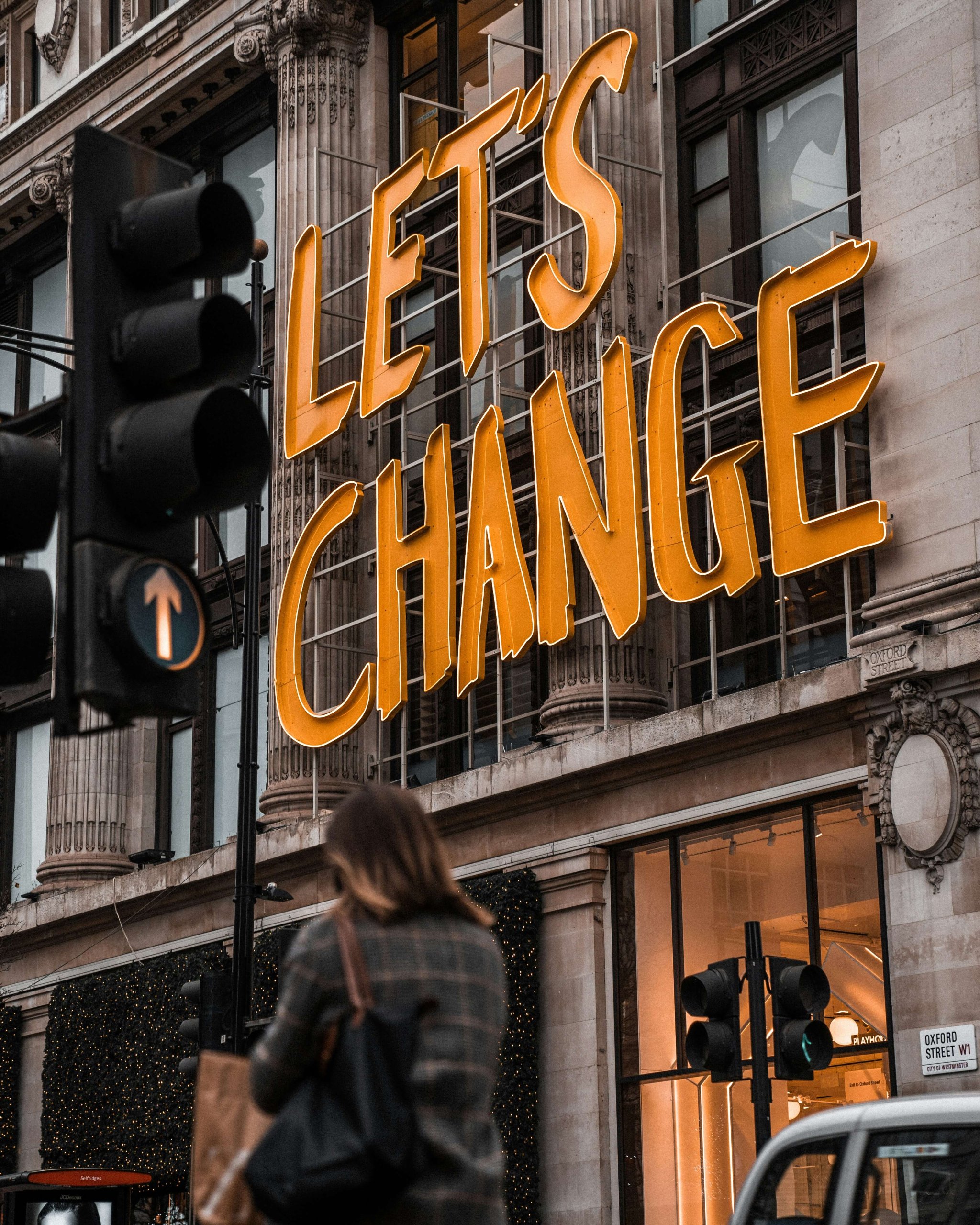
What Does It Mean When You Keep Changing Your Mind?
Why Changing Your Mind Can Feel So Uncomfortable
Changing your mind often comes with guilt, fear, or self-doubt. You might worry about disappointing others, looking unreliable or “flaky,” wasting time or effort, or admitting that what once felt right no longer does.
For children and teens, this discomfort can feel especially intense. They may hear messages like, “But you loved this,” “You asked for this,” or “You need to finish what you start.” While often well-intentioned, these responses can teach kids that their internal experience isn’t trustworthy or that once a decision is made, they’re stuck with it no matter what changes inside them.
But people grow and need change and adaptability as our grasp of the world evolves.
Where Do We Learn That Changing Our Mind Isn’t Allowed?
Our relationship with changing our mind is usually learned early. Take a moment to reflect: Were you allowed to change your mind as a child, or were you met with frustration, shame, or disappointment?
Many adults grew up hearing messages like, “You always quit,” “We already paid for it,” or “You need to stick with your decision.” Over time, children may learn that changing their mind is inconvenient, embarrassing, or wrong. Some even learn that it leads to criticism or emotional withdrawal. What starts as an external message can quietly become an internal rule: “I’m not allowed to change my mind.”
This belief can follow us into adulthood. It can show up as difficulty setting boundaries, staying in situations that no longer fit, anxiety around disappointing others, or feeling the need to over-explain our decisions.
This isn’t about blaming caregivers. It’s about noticing patterns and how they may or may not serve us.Awareness doesn’t exist to shame us, it exists to give us the power to choose something healthier for ourselves and for the next generation.
Changing Your Mind Is a Form of Listening
When we change our mind, we’re not being inconsistent, we’re often responding to new information, new feelings, and new needs. Sometimes that information comes from our thoughts. Sometimes it comes from our bodies and sometimes it comes from the quiet realization that something no longer feels safe, healthy, or right.
For kids especially, changing their mind is often a sign that they are paying attention to themselves. They may notice anxiety building, their body feeling tense, or a sense of dread instead of excitement. They may realize a relationship feels uncomfortable, a group no longer feels safe, or that an activity that once felt fun now feels overwhelming.
They may also simply notice they’re tired, hungry, or already full and that their body needs rest or nourishment more than one more activity or bite.
This isn’t a failure of commitment, it’s emotional intelligence in action.
Changing your mind can sound like:
- “My stomach feels weird when I think about going.”
- “I don’t feel safe with them anymore.”
- “This makes me too anxious.”
- “I’m tired,” or “I’m full.”
That’s not weakness.
That’s self-awareness.
That’s a child learning to trust their inner signals.
Validation Doesn’t Mean There Are No Boundaries
Validating someone’s experience does not mean removing all limits or responsibilities. Changing your mind is allowed, but decisions still live in the real world, and the real world has structure.
We can validate feelings and hold boundaries at the same time. Validation might sound like, “That makes sense,” or “I’m glad you told me how you’re feeling.” Boundaries might sound like, “We already committed to this part,” or “Let’s talk about how to finish this responsibly.” Both can coexist.
The Role of Natural Consequences
Natural consequences aren’t punishments, they’re simply the outcomes of choices. This might look like finishing a prepaid activity, giving notice at a job that no longer feels right, or feeling disappointment after choosing not to attend something.
What matters most is how adults respond in these moments. Instead of saying, “This is what happens when you quit,” we can say, “This part is hard, and we can get through it,” or “Every choice teaches us something.” This approach builds accountability without shame.
Boundaries Create Safety, Not Punishment

Boundaries help children feel secure because they signal that the world is steady, even when feelings change. Healthy boundaries communicate that feelings matter, actions have impact, and support remains even through discomfort.
This balance helps children build resilience, self-trust, and thoughtful decision-making.
Growth Is Allowed to Be Flexible
Changing your mind doesn’t mean you don’t know who you are or what you want.
Often, it means you’re getting closer to understanding your needs and how to advocate for them in a healthy way.
At Brave Minds, we believe emotional health includes teaching children, and ourselves, that growth is reflective, flexible, and compassionate. When we validate changing our minds while holding thoughtful boundaries, we model honesty, responsibility, and self-respect.
And that’s a lesson worth learning at any age.
Building Emotional Regulation Skills for Children and Families in NJ
Brave Minds is here to provide compassionate support as you and your child navigate the journey of emotional growth and self-discovery. When changing your mind feels overwhelming, or when the weight of guilt, self-doubt, and people-pleasing becomes too much to carry, you don’t have to figure it out alone.
You and your child deserve support in building emotional health and resilience. Follow these simple steps to begin:
- Reach out for a free phone consultation with a therapist who understands that growth is flexible, nonlinear, and unique to every child and family
- Start meeting with a therapist who honors your child’s inner experience and helps them learn to trust their feelings in a safe, supportive space
- Begin developing personalized strategies that help your child build self-awareness, set healthy boundaries, and make decisions with confidence and self-compassion
Guidance and Emotional Validation for NJ Families
At Brave Minds, we know emotional growth affects the whole family. Beyond building emotional regulation skills in NJ, we offer:
- Anxiety therapy for those experiencing heightened worry, panic, or constant activation of the stress response
- Depression counseling to address feelings of hopelessness, numbness, or disconnection from joy
- Trauma therapy and EMDR for processing distressing experiences and regulating your nervous system
- Family therapy and couples counseling rooted in mindful parenting NJ families can rely on
- Individual therapy focused on emotional validation in NJ for anxiety, depression, and more
- Online therapy across New Jersey, making compassionate care accessible no matter where you are in the state
Whatever you’re facing, Brave Minds is here to support your family’s emotional growth in NJ every step of the way.