

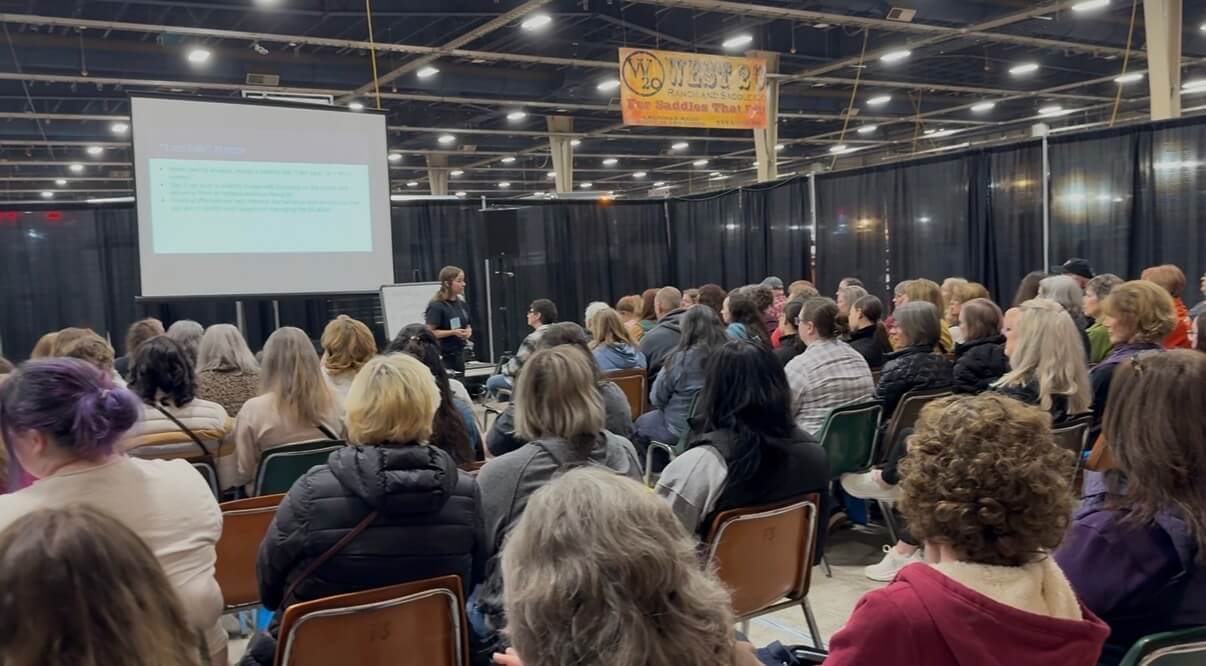
Over the past few years, I’ve had the privilege of speaking at barns, tack shops, and equestrian events across New Jersey and beyond about a topic close to my heart: mental health support for riders.
There are many lessons to be learned in spending time speaking with other equestrians about mental health. The eye opening conversations with riders, trainers, barn managers, and parents navigating the highs and lows of horse life reinforced the power of connection within our community.
Whether you’re a seasoned competitor or a passionate weekend rider, here are 10 things I’ve learned:
1. The Barn Is a Safe Space — Sometimes the Only One
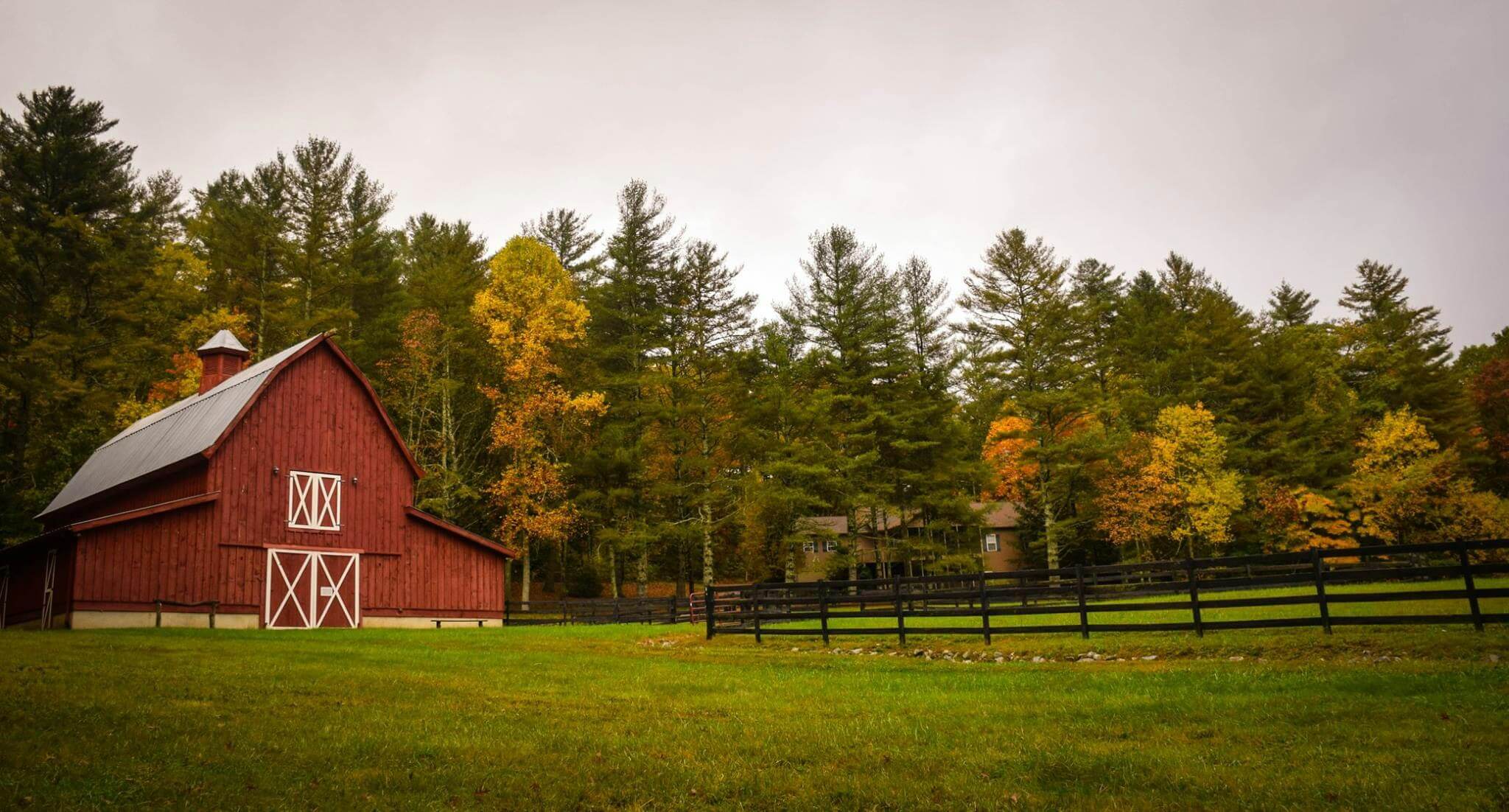 Barns function as your second home. As an equestrian, you — like many others — may find it’s a place where identity is rooted and escape is found. That emotional connection makes it a powerful space for supporting your mental health, whether you’re dealing with stress, anxiety, or trauma. Speaking with the community at Red Tail Farm in Bedminster, NJ, you could feel the connection and ease of communication. Together we are reminded barn safety is both a privilege we are responsible for and a recipient of.
2. Perfectionism Can Derail Confidence
In the equestrian world there is a lot of intense pressure on you to always perform and improve. This mindset can lead to chronic stress and eventual burnout in equestrian athletes. During talks at Kendra Clarke Equine in Frenchtown, NJ, internal and external pressures were identified as places where perfectionism can take root. Those perfectionistic roots can create cracks in confidence. We worked on embracing mistakes as part of the growth process.
3. A Tight-Knit Community Makes Space for Real Conversation
Smaller, community-driven barns can foster deep connection — and meaningful dialogue. You may find that barn size is an important factor in considering where you want to build a community. Frenchtown Riding Club has a tight knit community. In some smaller communities you may find it easier to be open about confidence issues, barn dynamics, and personal struggles. Watching these conversations unfold during community talks highlighted how vital peer support is in mental health.
4. Mental Health Is Becoming Less Taboo — Slowly but Surely
At Dover Saddlery, it was encouraging to see riders of all ages—people like you—show up for open discussions about mental health. While the stigma hasn’t disappeared, you can feel the tide beginning to turn. More and more, you and fellow equestrians are recognizing that mental strength is just as important as physical skill.
5. Parents and Trainers Are Eager for Communication Tools
As a parent or trainer, you’re eager for tools to support the riders in your life. You may find yourself asking questions like, “How do I support a rider who’s discouraged?” or “What’s the best way to talk about failure after a tough show?” When you’re equipped to have those conversations, your whole barn benefits. A strong, supportive community doesn’t just lift riders—it strengthens everyone involved.
6. Social Comparison Can Fuel Burnout
Social media has a growing impact on your wellbeing as a rider. When you compare horses, ribbons, or show results online, it can add pressure and spark self-doubt. If you’re like many younger riders I’ve spoken with, you might notice performance anxiety creeping in—often triggered by what you see on Instagram or TikTok. It’s a real factor that can lead to burnout in equestrian athletes like you.
7. Grief Is a Silent Burden After the Loss of a Horse
At Hidden Brook Farm in Bedminster, NJ, we hosted a grief-focused event where riders worked with an art therapist to express their emotions through creativity. Creative outlets like art and movement can allow the expression of grief when words fail us. Indeed, it’s the kind of experience that can help you process the unspoken grief that often comes with losing a horse—whether through injury, retirement, or death. Events like this give you space to release pain, build emotional resilience, and connect more deeply with your feelings. They remind you that healing is possible when you’re given a safe place to express what you’re carrying.
8. Competitive Riders Struggle when Identity is Tied to Performance 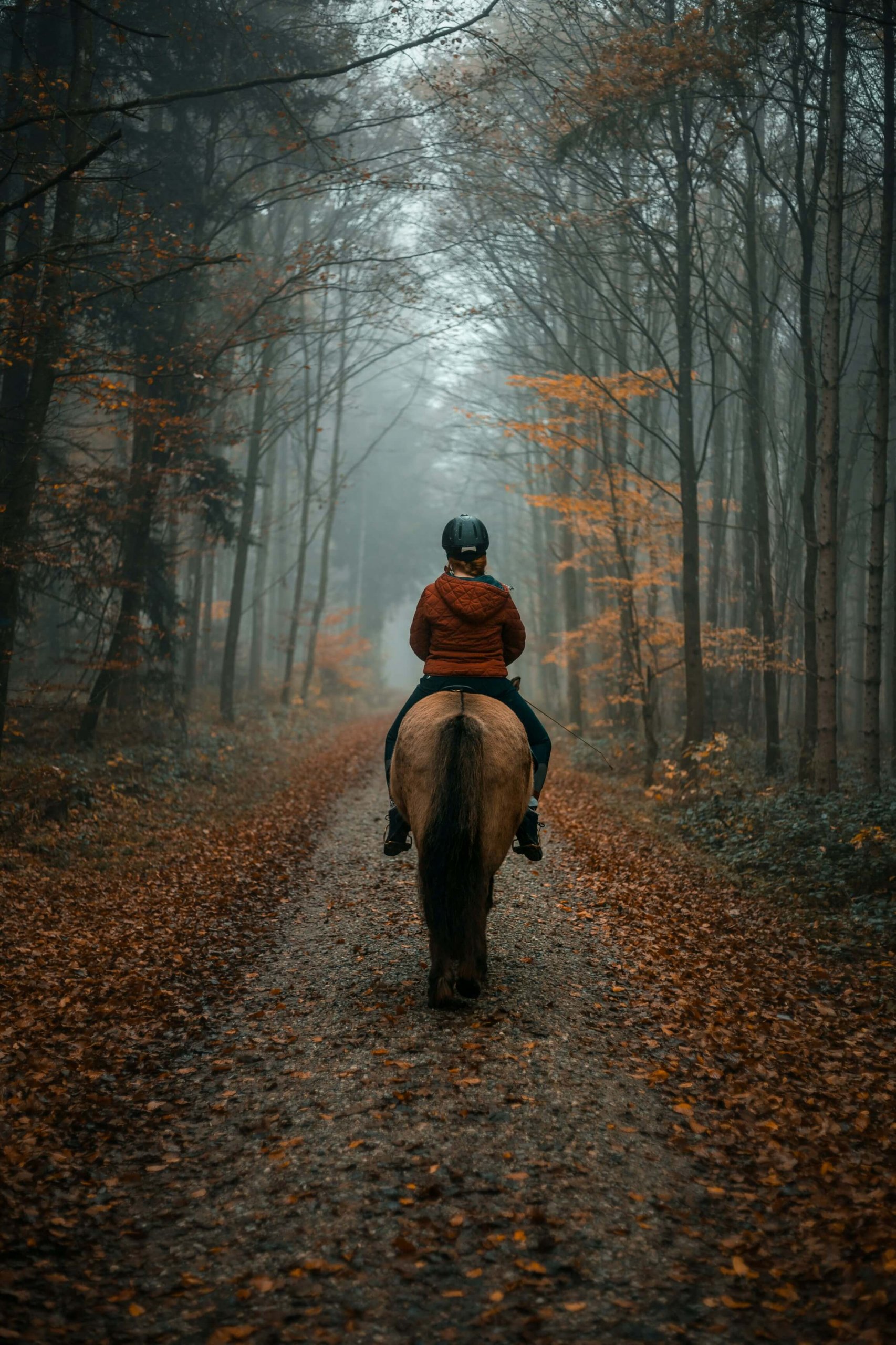
As a competitive rider, performance isn’t just a goal for you — it feels like a measure of your worth. You may have experienced the weight of feeling like a failure after a tough round or not measuring up to your expectations. When identity is tied to performance, every jump puts your self-worth on the line. That’s a heavy burden for you and your horse to carry. Not only that, but it interferes with the flow of riding. Therapy can help you separate your sense of self from the ribbons, allowing you to see that your value goes beyond the results.
9. Culturally-Aligned Therapy Matters
I often heard, “It helps that you understand horses.” Therapy for equestrians works best when it’s informed by the realities of your life with horses — from the demands of showing to the grief of injury or loss. When a therapist speaks your language, you feel seen and understood, and that makes all the difference.
10. The Equestrian Community Is Hungry for Change
Whether you’re in Bedminster, Frenchtown, or Harrisburg, you’re ready for deeper conversations. You, along with other riders, are hungry for support that doesn’t just treat symptoms but also honors the emotional complexity of life with horses. That’s what makes this work so rewarding — it’s about recognizing and addressing the full picture.
Why It Matters
You hold more than just your reins. You carry expectations, pressure, and often deep emotional burdens—especially after the loss of a horse, intense competition seasons, or struggles with identity and perfectionism. If you’re looking for mental health support, managing burnout as an equestrian athlete, or processing grief in your horse life, you don’t have to do it alone.
Interested in therapy for equestrians in New Jersey?
I offer equestrian-informed support for riders of all ages, as well as parents and trainers. Contact me here to learn more or schedule a consultation.
Learn more about upcoming talks here.
Begin Equestrian Therapy in Branchburg, NJ or Online Therapy in New Jersey
You don’t have to carry the weight of perfectionism, grief, or burnout alone. Our equestrian-informed therapists understand your world and are here to support riders, trainers, and parents at our Branchburg counseling office or through online therapy in New Jersey. To get started, follow these steps:
- Connect with us at Brave Minds Psychological Services.
- Meet with one of our caring equestrian therapists during a free consultation.
- Start your therapy journey today!
Other Services Offered at Brave Minds Psychological Services
Equestrian therapy is not the only service we offer from our Branchburg and Scotch Plains, NJ-based therapy practice. Other services include online therapy, anxiety treatment, trauma therapy, therapy for teens and children, couples counseling, postpartum counseling, and group therapy. For more information, visit our blog. Proud to serve Somerville, Bridgewater, Raritan, Readington, Fanwood, Westfield, Cranford, New Providence and surrounding areas.