


Welcome back to our series on supporting neurodivergent children through puberty.
In Part 1, we explored the fundamental changes that occur during puberty—from the biological processes driving physical development to the complex social landscape shifts that most teens navigate. We examined how these universal experiences can present unique challenges for neurodivergent youth, including amplified sensory experiences, intensified emotional responses, and increased social vulnerabilities that can lead to feelings of isolation, anxiety, or depression.
While these challenges are real and significant, they’re far from insurmountable. Today, we’re shifting from understanding the “what” and “why” to focusing on the “how”—practical, evidence-based strategies you can use to support your child through this transition.
In this post, we’ll cover how to start early with proactive conversations, use clear and honest communication that works for neurodivergent minds, and approach the physical changes of puberty with sensitivity and preparation.
The good news is that with understanding, preparation, and support, we can help our neurodivergent children navigate puberty more successfully. Here’s how:
Start Early and Be Proactive
Puberty onset can begin anywhere between the ages of 8 and 14, depending on gender, with females typically starting on the earlier side of the range. “Providing information and support is crucial to help these kids get through puberty without it being really overwhelming and scary,” notes Margaret Dyson, PhD, a psychologist in the Autism Center at the Child Mind Institute. “It’s easier if you can do it proactively.” Consider laying the foundation and beginning to provide information age 7 and earlier.
Don’t wait for questions to arise. Kids see and hear a lot about sex and relationships on TV and online. By the time they near puberty, they may already have some knowledge about puberty and sexual activity. But talking about puberty is still an important job for parents because not all this other information is reliable. Don’t wait for your kids to come to you with questions about their changing body.
Use Clear, Honest Communication
- Use proper anatomical terms for body parts. This normalizes body awareness and gives children the vocabulary to express concerns or ask questions without feeling shame or embarrassment. For example, rather than using euphemisms like “weewee” or “cookie” use direct language like “penis” or “vagina”.
- Be direct and factual about physical changes and sexuality. During ongoing conversations provide education and inquire about what they are hearingat school, from peers and online. This will give you an opportunity to gauge their readiness for new information, build on the knowledge they have, and correct misconceptions.
- Create visual supports when helpful. Many neurodivergent children benefit from visual schedules, social stories, or diagrams to understand abstract concepts. Consider getting books with images that can help illustrate concepts. Some excellent resources for comprehensive, age-appropriate information with helpful illustrations include:
- Sex is a Funny Word by Cory Silverberg
- It’s Perfectly Normal by Robie Harris
- What’s Happening to My Body? series by Lynda Madaras
- The Care and Keeping of You series from American Girl.
Address Physical Changes with Sensitivity
For those who menstruate, conversations around menstruation should begin long before puberty hits—ideally around ages 6-8, well before physical changes begin. They should know what happens during menstruation and how to manage menstrual bleeding before it happens. They may also need help understanding that mild cramping is normal, but severe pain is not typical and can be a sign of conditions like PCOS or endometriosis that warrant medical evaluation.
Provide education on how to utilize their preferred menstrual supplies safely, whether pads, tampons, period underwear, or menstrual cups. Consider creating visual schedules for menstrual care and allowing your child to choose their own supplies.
For those with penises, conversations should begin around ages 7-9. It’s important to establish an understanding of what erections are. Furthermore, it’s crucial to explain ejaculation and nocturnal emissions before these experiences are likely to happen. Clarifying that nocturnal emissions or “wet dreams” are not urinating in bed.
Teach About Consent and Appropriate Boundaries
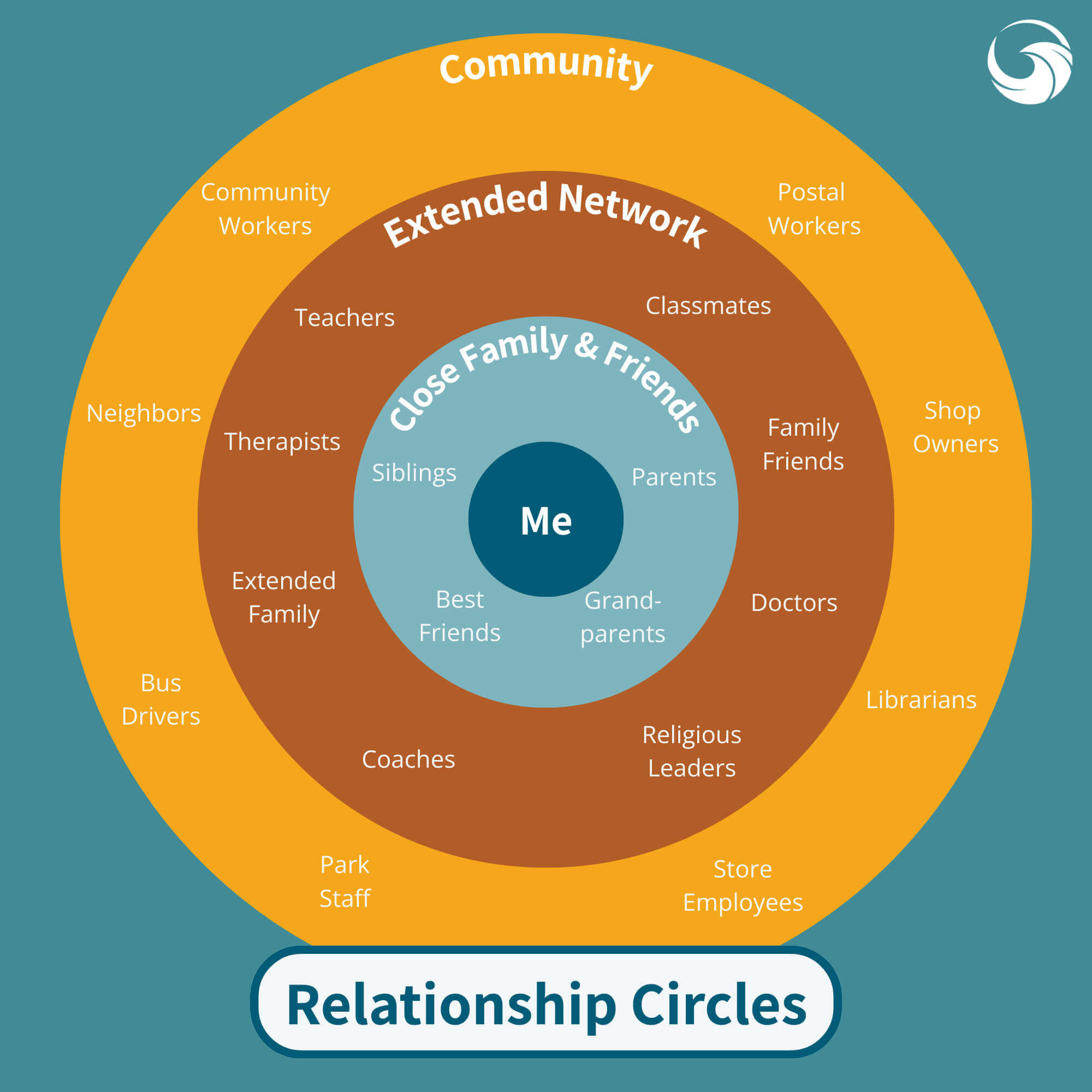 Children need to understand that consent means permission—and they have the fundamental right to give or withhold permission from anyone when it comes to who gets to touch their body. This includes not being encouraged to show physical affection to relatives or family friends if they don’t want to. Neurodivergent children who experience sensory sensitivities may be very particular regarding how their body is touched and how others interact with their body. Asparents, it is important to support them in creating boundaries related to the needs of their body. For example, this may include supporting their autonomy regarding not eating certain foods relatives offer. If the food creates a very negative sensory experience, they may need your help telling grandma “no, thank you.”
Help them recognize that their genitals are special areas of their body that belong only to them, and that all safe individuals will respect these boundaries. Conversations around the importance of coming to their parents if someone has touched their body in a way that is inappropriate or makes them feel uncomfortable are crucial. Laying the groundwork with your child through conversations which include proper anatomy terms can support facilitating these conversations.
Use concrete examples and visual tools like relationship circles to help clarify appropriate behaviors for different types of relationships. Empower your child to trust their instincts about uncomfortable situations and reassure them that they can always come to you if someone makes them feel unsafe or confused about touch.
In this blog, we’ve covered the essential building blocks for supporting your neurodivergent child through puberty: starting conversations early, using clear and honest communication, addressing physical changes with sensitivity, and teaching consent and boundaries. These foundational strategies create the framework for open dialogue and trust. In our next and final post in this series, we’ll explore how to support your child when challenges arise—including developing co-regulation skills, recognizing when professional support is needed, and taking care of yourself as a parent navigating this journey alongside your child.
Neurodiversity Affirming Therapy in New Jersey
Starting early conversations about puberty and teaching consent can feel daunting, but you don’t have to navigate these sensitive topics alone. At Brave Minds Psychological Services, our experienced therapists specialize in supporting neurodivergent teens and families through puberty, as well as providing:
- Anxiety treatment and social phobia therapy
- Child sexual abuse therapy and teen counseling
- OCD therapy, couples therapy, and postpartum depression counseling
- Trauma therapy and sexual assault survivor support
We offer in-person and online neurodiversity affirming therapy from our Scotch Plains, NJ, and Branchburg, NJ-based practice. Call us at (908) 224-7727 for a free consultation and develop strategies for discussing puberty and consent with confidence.