
Brave Minds: Healing Anxiety and Trauma Podcast
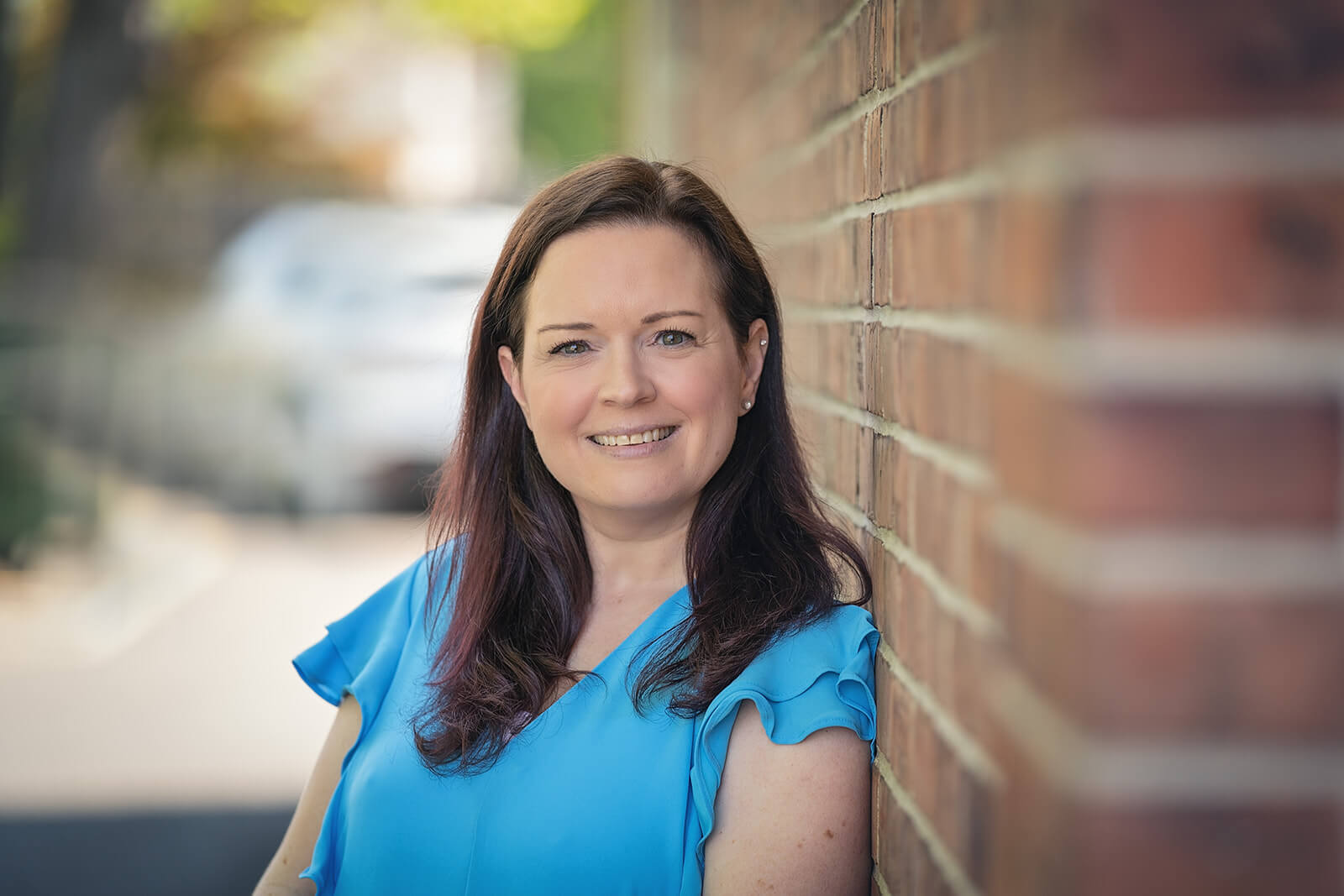
In this episode of Brave Minds: Healing Anxiety and Trauma, Lisa Weiss, LCSW talks with licensed clinical social worker Elaine Harrison Yau, LSCW about recognizing selective mutism and supporting children with understanding and care.Elaine explains how selective mutism may appear at school, social events, or in the community, and why it is often mistaken for shyness or rudeness. She describes how anxiety can lead a child to freeze, and how adults can avoid adding pressure or unintentionally reinforcing silence by answering for them.
Interested in working with Elaine?
Start by scheduling a free 15-minute consultation.
What To Listen For
00:39 — What selective mutism is—and why it’s an anxiety disorder
01:33 — Why a child may want to speak but feel unable to
02:25 — Why children may talk at home but freeze in social settings
03:25 — How answering for a child can unintentionally reinforce silence
04:45 — Supporting communication without putting a child under pressure
05:35 — PCIT-SM and the importance of parent involvement
07:18 — Why children may not simply outgrow selective mutism
09:42 — How therapists and schools can work together
11:04 — Child-led interaction and helping a child warm up
13:31 — Using forced-choice questions and giving children time to respond
18:43 — Early signs caregivers may notice—and how selective mutism differs from shyness
21:19 — What parents can do when a school raises concerns
23:46 — Why progress takes support from parents, schools, therapists, and the community
27:12 — Brave Talking Points and other ways to reinforce progress
31:16 — How the Brave Voices group supports children
40:49 — Regression, life transitions, and booster sessions
44:44 — Well-intentioned adult responses that may add pressure
47:22 — How to build toward greetings and other everyday interactions
49:27 — Elaine’s message of hope for families and caregivers
51:58 — Recommended resources for learning more
Episode Resources
- Selective Mutism Association — Elaine recommends this organization as a resource for finding therapists trained in PCIT-SM.
-
— A resource for learning more about selective mutism and PCIT-SM.
-
— A children’s book about a girl’s experience with selective mutism, recommended for families to read together.
-
— Elaine mentions her blogs as a place to find additional books and resources.
-
Brave Minds Psychological Services
— Elaine says families can request a 20-minute consultation to discuss their child’s symptoms and whether therapy may be a helpful next step.
Episode Transcript
Lisa (00:01)
Hello everyone and welcome to Brave Minds Healing Anxiety and Trauma, the podcast brought to you by Brave Minds Psychological Services in New Jersey. On this podcast, we explore the journey of healing, resilience, and mental well-being. Whether you're navigating anxiety, processing trauma, or supporting someone who is, you are in the right place. I'm Lisa Weiss, a licensed mental health professional here at Brave Minds, and in each episode we dive into conversation to better understand your mind and support your healing process. Today we're speaking with one of our own therapists, Elaine Harrison Yau, and we are going to be discussing selective mutism. And just as a reminder, this podcast is for informational and educational purposes only. It's not intended to diagnose, treat, or replace professional mental health care. If you're in crisis or need support, please reach out to a qualified provider. Remember, you're not alone in this, your healing matters, and let's jump in.
Elaine (00:51)
Yeah.
Lisa (00:52)
Alright, so thank you so much for joining us today. For everybody listening, we have a very special guest this morning. So I'll have Elaine go ahead and introduce herself.
Elaine (01:01)
Hi everyone, I'm Eliane Harrison-Yau. I'm a licensed clinical social worker here at BraveMind Psychological Services and I predominantly work with children with selective mutism. my youngest client is about three and I work right up until late teenage years.
Lisa (01:16)
Yes, and I'm really looking forward to getting into the topic of selective mutism because it's not something that I am honestly very educated on. so kind of to to get us started, what is selective mutism?
Elaine (01:28)
Yeah, I mean selective mutism, which is often called SM for short, is really a severe anxiety disorder. It's characterized by a child's inability to speak in certain social situations while being able to speak for example, at home. So the child is completely able to talk, but if they go to say school or a friend's birthday party, they will be completely mute throughout the course of the time there. So it really is a fascinating mental health disorder and you know children will talk with maybe their peers at school but they won't talk with the teachers at school and so it's very it's very interesting.
Lisa (02:08)
That is very interesting. And I think I think people might think of like selective mutism as like a child is refusing to talk. so what is SM really? Like what is going on for that kiddo?
Elaine (02:18)
Right, so it really is not children refusing to talk. These children really do do want to talk, but if we think about it, it's really it's an anxiety-based disorder. And
Lisa (02:28)
Yeah.
Elaine (02:29)
so that, you know, that freeze response almost comes in. The child is asked a question or somebody says something to them expecting a verbal response. And the it's like the words are almost stuck right in their throat. And they literally cannot answer. It's not that they don't want to answer because they definitely have something to say.
They want to say it, but they just can't say it in that exact moment.
Lisa (02:53)
So interesting. So why does this typically and I'm kind of throwing a curveball here, like why does this typically occur, like where a kiddo can be fine talking at home and struggles at school? Is it just like dependent upon situation and the individuals they are around?
Elaine (03:10)
Yeah, I mean let's think about it, right? The child at home, right? Where where are they? They're in their comfortable, safe environment. And so they're with mom, they're with dad, they're with their siblings, if they have any, maybe their pets are around. And so they're talking freely, right? And so they're they're comfortable, they're safe, they're in a trusting, mm, usually stress free environment. You know, mommy, can I have the cookies? Where can I watch TV? Things like that, right? And so it's really when they go outside of the home and They're in that social environment that the pressure is on to speak. You know, they go to like think about it, you go out shopping with your mom on a Saturday morning, right? Or your dad, you go to like a store like Trader Joe's, and they always give out stickers to the kids, right? Do you want this sticker? The child freezes because they don't know that person. This is a complete stranger to them, and so their anxiety response increases, and usually we engage then in like what we call rescue behavior because we see how uncomfortable the child is and so we want to save them. Our anxiety as the parent is high as well. And so we want to like escape that whole situation. And so we answer for the child. yeah, they'll take the stickers. Thank you so much. And then we sort of breathe a sigh of relief. The kid gets the stickers, they breathe a sigh of relief because now the pressure's off right and so you know we want we want children with selective mutism to be able to speak in all of these situations which is why treatment is so important.
Yeah.
Lisa (04:38)
Yeah. my goodness. And it makes me think too of like that like further validates that, you know, it's you don't have to we like kind of tell our brain like you don't have to speak in that situation and maybe mom or dad will jump in. and even as like an auntie myself, I can see myself jumping in in that kind of a situation to be like, no, it's okay, like I've got this.
Elaine (04:57)
Right, right. But that does nothing for the child if we think about it in the long term, it it's
Lisa (05:00)
Mm, yeah.
Elaine (05:02)
it it becomes a negative reinforcement cycle, right?
Lisa (05:06)
Yeah.
Elaine (05:06)
So that cycle of negative reinforcement, and we want to change that to a cycle of positive reinforcement where instead of rescuing the child and answering for them or taking them out of the situation, we want to provide supportive behavior, right? Supports for the child to be able to answer in that situation. And so, you know, with selective mutism that looks like, hey, you know, the lady asked you, do you want the stickers? Do you want the stickers? Yes or no? So we're rewording the question and giving them the opportunity to, you know, maybe in the very beginning stages of treatment, it would be nodding their head. I see you nodding your head. Great job. We'll take the stickers. Thank you. And you know, eventually we want the verbal response. Like, do you want the stickers? Yes or no? Yes. Great job telling me yes that you want the stickers. Here you go. So we're providing that supportive behavior rather than that rescue behavior.
Lisa (06:00)
That makes so much sense and like almost like scaffolding that process for those kiddos. so I think that's so wonderful though, to be able to have that. And it sounds like it's very col it's a very collaborative kind of treatment with both kids and parents.
Elaine (06:14)
absolutely, Lisa. You are absolutely right. We basically train the parents in the techniques of what's called PCIT SM. So that's parent-child interaction therapy adapted for selective mutism. And it was sort of pioneered by Dr. Stephen Kurtz of New York City, who is like renowned in the field of selective mutism. I was trained by him. I I still reach out to him when I have a consult or some a question. It's it's a wonderful wonderful technique, and it really is the gold standard for treating selective mutism. So basically, we will train like my first session after the intake will be a training session with those parents. So I am training them in the techniques of PCIT SM so that they can eventually, in essence, be their child's therapist, right? And go out into the big wide world, go out on all these community items and be with their child and be implementing the techniques that we use here in the therapy session out there with their kid when they go to, you know, go for Icy's at Rita's or a donut at Duncan or even the bagel in the bagel store, ordering their food in a restaurant, right? I mean these are all age appropriate exposures, we call them, for children
Lisa (07:25)
Mm-hmm.
Elaine (07:26)
of any age.
Lisa (07:28)
Yeah, and even makes sense as far as I I tell this to parents too, like I only see the kiddo for forty-five minutes once a week. You're with your child all of the time. So it's so important that they have that
Elaine (07:37)
Absolutely.
Lisa (07:38)
parent side of things. and I'm sure we'll get more into that particular form of treatment. A c a common question that I feel like sometimes comes up is if kids go without treatment, can they quote unquote outgrow SM?
Elaine (07:52)
That is a really good question and and I see it sometimes in the forums that I'm part of. You know, will my child just outgrow selective mutism without treatment? The short answer is no. They they will not outgrow selective mutism. It is an anxiety-based social communication disorder that really requires treatment. The earlier the treatment, the better the outcomes. So, you know, that three or three and a half year old kiddo that's coming in has really, really good outcome of, you know, overcoming selective mutism. The kid that's 16 that's coming in for treatment, think about it, right? They have lived sixteen years of their life. with, you know, silent behavior in certain situations. Maybe it's at school, maybe it's at church, maybe it's with just friends, maybe it's just with certain relatives, right? At home they're speaking in one way. Outside of the home they're silent in this whichever, you know, environment they're silent in. It doesn't have to be all environments. It can just be some of them. And so they've lived sixteen years of their life like that. That's a lot longer than, you know, the three and a half year old who's just learning to engage and be social with other people. So it's it's a lot of behavior to unlearn and to undo and to really you know treat essentially. So
Lisa (09:09)
Yeah. Yeah. And you said like the unlearning and then relearning all of the new skills.
Elaine (09:16)
Yes, exactly, exactly. And you know, some kids have been in treatment at an early age and overcome SM and then, you know, puberty hits or high school stars or some, you know, some sort of adjustment in their life and it can sort of cause a few steps back. And that's why it's important again to train the parents in these techniques. So like you said, they're with their child the majority of the time, right? They're in school a lot of the time. It's essential to train the teachers as well so that everybody's on the same page. So that we're all implementing the same strategies, the same techniques, and really you know, helping these kids, these these these teenagers as well, overcome the selective mutism because the longer it continues, the harder it is to treat is really the bottom line.
Lisa (10:00)
Yeah, absolutely. I wonder for because you mentioned this about like instructing schools and teachers, what does that typically look like for you or for like a treating therapist?
Elaine (10:10)
Yeah, I mean for me I typically will work with the schools and the majority of schools are very welcoming, very open to helping the kids with with SM. So let's talk about like the elementary school kids, pre-K, kindergarten, first grade, second grade, that sort of age group. I will again do that sort of training video with the With the staff, and so I can either go into the schools and do the training session or I can do it on on the you know on a Google Meet, which is perfectly fine as well. I'm teaching them the strategies of PCIT S right? And we can get into that now, we can get into that later, whatever you you're comfortable with, whatever you want. but really the the teachers, the school staff, they all need to be aware of how to communicate with the child, how
Lisa (10:57)
Mm.
Elaine (10:57)
to how to let them come into the classroom in the morning and Settle and not put pressure on them to speak immediately as soon as they've entered the classroom, but to wait until the child has warmed up, until they're comfortable. And then you know, you sort of gauge the individual child, like, I see them making eye contact, I see them starting to move their mouth. I think they're ready for some gentle pressure and some questions, right? And so even in the session here, I can gauge when the child is ready to move from what we call CDI, child-directed interaction, to more VDI, verbal directed Interaction. CDI is really that that period in the session where they just come in and they really need time to to warm up. So it's really it's child-led, right? I never say to a kid, what do you want to play with? That's a question right off the bat, right? Already anxiety increases. What do I want to play with? I have to answer that. Instead, I'll say, Let's see what you want to play with today, right? Let them, you know, this this office is very well equipped with magnetiles and duplo blogs.
Legos, age appropriate games for all different ages. We have, you know, a kitchen and Gabby's dollhouse and things like that. So the kids, it's it's all out. Nothing is locked up. It's on shelves, it's on the floor. The kid can just go to whatever they're drawn to that day. And I'm really there to to engage with them, to implement what we call the pride skills during CDI, during that child-directed interaction. And the pride is for praise, right? I'm praising the child for behavior that they're engaging in. what comes next, right? R. I'm reflecting what they're doing. If they are speaking, I'm gonna reflect back to them what they've said in a very neutral tone, but in a positive tone as well. What comes after imitation, description, and enjoyment, right? So we're imitating what they're doing.
Lisa (12:47)
No.
Elaine (12:47)
And we're really on the floor, playing with the blocks, playing with the magnetiles, doing whatever they're doing. We're describing what they're doing. Like, I love how you're putting that yellow magnetile beside the blue magnetile. Looks like you're building a castle. I'm not asking, are they building a castle? I'm just commenting. And they might turn around and say, I'm building a zoo. I love that you told me you're building a zoo. Wow, I got it wrong. I thought you were building a castle and we're enjoying it, right? So these are the pride skills during CDI, but they can also be thrown out throughout the whole session, right? That praise, that reflection, that imitation, that description, that enjoyment. And so then we would move into VDI, verbal directed interaction, when the child is ready. And that really is then the opportunity for them to. to use their verbal skills to be able to respond to the therapist or their parent or both. And we use questions like forced choice questions, which are really, really important. And a forced choice question is basically where there is a choice within the question. Right? So
Lisa (13:52)
Okay.
Elaine (13:53)
maybe I'll take out my Melissa and Doug ice cream station, right? This is a great toy to play with with the kiddos with selective mutism. Do you want ice cream in a cone or a cup? And then I wait, right? So I've given them the choice, cone or cup within the within the question, right? That forced choice. Then I wait five, six, seven real life seconds. Because I want the child to process the question. I want them to sit with a little bit of anxiety. And I want them to know that they're in a safe environment. And I'm not pressuring them. I'm just waiting. And the goal is that they say, Whatever they want to say, right? Cone. great job telling me cone. You want a cone for your ice cream? Now, do you want chocolate ice cream, vanilla ice cream, or a different flavor? And now I'm gonna wait.
Lisa (14:43)
Yeah.
Elaine (14:45)
And they'll answer vanilla. Great job telling me you want vanilla ice cream. So you want vanilla ice cream in a cone. Now do you want sprinkles or no sprinkles? Sprinkles? I heard you say sprinkles. Wow, great job telling me you want sprinkles today on your vanilla ice cream in a cone. Here you go. You know, it's all play based. The goal is to establish a warm, safe, trusting environment for the child to really feel that they can use their brave voice.
Lisa (15:11)
Yeah.
Elaine (15:11)
And you know, PCIT SM is is again the gold standard for treating selective mutism. And I've seen the progression. I've seen how
Lisa (15:21)
Yeah.
Elaine (15:21)
it works, which is absolutely wonderful to be able to to, you know, have tangible results. Like you're you're hearing the results when those kids are talking.
Lisa (15:32)
That is so incredible. And I'm sure that must feel so good for the kiddos and for the parents for, you know, them to make progress. do you use the so the pride acronym, is that something that is implemented both in and outside of session?
Elaine (15:46)
Yeah, I mean the CDI and the VDI skills, right? Pride is is a part of PCI T S So those pride skills can be implemented with the parents. the parents can implement them for sure, absolutely. And say I'm out in the community with a child, right? You know, I go to Duncan, I go to Dairy Queen. We have practiced what we're doing in that situation in the office. And so I'm again like we go to Dairy Queen, for example, right? I'm practicing those questions. I'm writing out those force choice questions for the child to answer. I'm I'm I'm praising them. I'm reflecting what they're saying. Great job telling me you want vanilla ice cream, right? That's those are the pride skills, the praise, the reflection. I'm imitating them in their play when when we're in the office. And parents can implement this at home so that the child gets used to that way of of playing and interacting with their parent and the parent interacting with them.
Lisa (16:44)
Yeah, and I'm curious, is that something that is like encouraged within schools as well when you're talking to teachers and school staff?
Elaine (16:51)
Yeah, I I think schools, you know, in in the in the classroom, right, the teacher has so many other children to attend to.
Lisa (16:57)
Yes. Mm-hmm.
Elaine (16:58)
But the way I I explain it to to teachers is really when you're in the classroom, right, and it's you know, with the younger children, they have that like choice time, I guess it would be called. The the playtime, right?
Lisa (17:08)
Sure. Yeah.
Elaine (17:09)
And so say a child is choosing to go play in the kitchen area, right? The child with selective mutism and maybe there's two or three other kids in that in that center.
Go over to the child, sit with them on the floor, you know, and narrate what they're doing. I see you putting vegetables in a pot. It looks like you're co cooking soup. Now I see you stirring the pot. my goodness. and you handed the pot to your little friend Susie. It looks
Lisa (17:33)
Yeah.
Elaine (17:33)
like you guys are having a really good time in the kitchen. Maybe I'll make some toast. I'm gonna make some toast here right now. I'm gonna put the bread in. And so you're engaging in those pride skills without putting pressure on the child to speak. And then when you feel the child is ready in the classroom, you can say, So are you making soup or are you making chicken nuggets? Right? That force choice question coming back in, right? Well, I'm not making chicken nuggets. What does it look like I'm making? I'm making soup, right? And so the child then, the goal is, the child says, soup. Great job telling me you're making soup. I love how you used your voice.
Lisa (18:11)
That is so great. And I think this even this conversation right now, like this is stuff I have not heard of before, but I mean it's
Elaine (18:16)
Running.
Lisa (18:16)
it's making sense to me. And I'm hopeful that our like our parents and teachers and anybody that's listening like this will resonate with them. and I'm curious to hear from you about like what are some of the first signs that parents, teachers, or other caregivers might notice in kids with potential selective mutism.
Elaine (18:38)
Yeah, I think that one of the first signs if the kid isn't in school yet, right, if they're a very young kid, it'll be going to those social events, right? Those birthday parties, those family gatherings, and the child really is clung to mom or dad, clung to that caregiver and not separating from them, not able to warm up, not able to settle in, not able to use their voice in this situation. And you know, quite often selective mutism
Kids are described as they're just being shy. They're they're not being shy, right? Shyness is a personality trait and should be differentiated from selective mutism, which is an anxiety-based disorder, right? And there the the two should be differentiated between. And I'm like, I understand where you're coming from, but we're actually doing the child a disservice if we describe them as being shy because then they adopt that and we don't,
Lisa (19:30)
Sure.
Elaine (19:31)
you know, I'm just shy, I can't do it. No, that's not the case. We want, you know, the shy child will warm up. The shy child will warm up, they will leave their parent, they will go and have fun. It might take a little while, but they will ultimately warm up, settle into the party and and go and have fun, right?
Lisa (19:48)
Mm-hmm.
Elaine (19:48)
Child with selective mutism typically won't.
You know, another early sign is when they start school, right? Whether that's pre-K, kindergarten, first grade, where well, most kids are in school by kindergarten over here.
Lisa (20:00)
Mm-hmm.
Elaine (20:01)
So, you know, the first month of school, all right, we'll give them that warm-up period, that's settling in time. But if by you know October and November they're still not speaking, then it really, you know, warrants treatment, right? We we never diagnose in the first month of school because we want to give them the the opportunity to settle into a new classroom, new teacher and new peers, but
Lisa (20:23)
Yeah.
Elaine (20:23)
quite often parents will get that phone call. You know, does your child speak at home? Because they're not speaking at all in the classroom. And that can be a shock to parents, right?
Lisa (20:31)
Mm-hmm.
Elaine (20:33)
Because what do you mean they're not talking in school? They're a little chatterbox at home. They're nonstop. They're the drama king, the drama queen, right? They're on stage acting, jumping off the sofa, using their loud voice all the time. And so then we really want to question, you know, is this selective mutism?
Lisa (20:53)
Yes. And I'm I wonder if parents do get these calls from school, what is the next best best step? Like what is the recommendation from there?
Elaine (21:02)
Yeah, I mean a lot of parents will go to their pediatrician, which is a very good next step, and, you know, inquire as to why their child isn't speaking in situations where, you know, speaking is expected, like school or a birthday party or things like that.
And then you know they can reach out to a a therapist who specializes in selective mutism. And it really does take for someone to understand selective mutism to be able to treat it. Like play
Lisa (21:30)
Mm-hmm.
Elaine (21:30)
therapy is different from the PCIT SM modality. And so, you know, we we don't want to just send the child to any therapist who works with
Lisa (21:40)
Sure.
Elaine (21:41)
young children. We want that person to be specialized and trained in techniques that are going to help the child overcome their selective mutism.
Lisa (21:49)
That makes a lot of sense. I wonder like if a child does start out in plate therapy with a therapist who doesn't specialize in PCIT SM, are there any potential like adverse effects of starting out with a plate therapy who is not educated in this particular form of treatment?
Elaine (22:07)
Yeah, I mean the child more than likely won't speak to them.
Lisa (22:12)
Mm.
Elaine (22:12)
Right? Because the the the therapist could be coming in and putting on due pressure too early in the session to have responses that are verbal from the child. And so we in the world of selective mutism, we call that contamination. Right? The therapist then is contaminated. The therapy space is contaminated. And that's not what we want. We want, you know, we want that environment, like I said earlier, to be a warm, open, trusting environment where the child feels safe to take those risks with their voice. And if someone Don't know to let the child come in and settle in and warm up and to engage in again those CDI skills, the child directed interaction skills, then they really are contaminating themselves, which is unfortunate. And hopefully, you know, they'll realize that this is not the right fit for this child. Let's find somebody else who does no selective mutism.
Lisa (23:05)
Yeah, because it sounds very, of course it's very niche, but also very structured in how you are approaching the child and the family and even, you know, the schools. So it just it sounds like you really need to have all of that knowledge in order for that child to be successful in treatment.
Elaine (23:21)
Yeah, it really it really does take for that. It it it takes a village as well, right?
Lisa (23:25)
Yeah.
Elaine (23:26)
I mean, it really does. It takes for the parents to to be trained, it takes for the therapist to know what they're doing, it takes for the school to be on board, and even again when we go out in the community to do these exposures, right? I mean, I'm asking community members to take part in this, right? And, you know, I give them a script that we have practiced with the kid. And so
Lisa (23:47)
Okay.
Elaine (23:48)
I'm really handing this over to the cashier in five guys or to the cashier in you know the server in Dairy Queen or Duncan and I'm saying like hey I'm here with my little friend who's practicing being brave with their voice. Would you be able to ask them these questions and give them, you know, five or six seconds after each question to respond and The people in the community are that I mean they they love it, you know. We go to the library, the same, the librarian, you know. How many are you getting two books, three books, or more than that out today? You know, and then the kiddo, we've practiced already, three books. Great job telling me you're getting three books out today. Are your books on the Chinese New Year, Diwali, or something else?
Chinese New Year. Great job telling me your books are on the Chinese New Year. I love that. You know, these are the kinds of in-community exposures that we're working on. And it it it it takes for community members to not necessarily know the situation with the child, but to be willing to to work with me and the parent and the child in that situation.
Lisa (24:49)
That is so amazing and I love that other people, even just like outside of our practice, are willing to
Elaine (24:54)
Right.
Lisa (24:55)
help out these kiddos. So is that something that and just for my own, you know, curiosity, is that something like you'll call, you know, the library ahead of time and be like, I have a kiddo coming in, or this is just like in the moment, you are bringing the kiddo in, you have your script and
Elaine (25:10)
Yeah,
it's it is usually in the moment, because I don't know who's gonna be on that day, right? So, you know, we have practiced
Lisa (25:15)
Sure. Yeah. Mm-hmm.
Elaine (25:17)
maybe two times in the office for two weeks, right, in session. And then we will arrive, say, at the library and we'll practice outside the library the same questions that I'm going to, you know, have the librarian ask. Then we'll go choose the books, get the books out or whatever it is, and then we practice again before we go up to the checkout desk
Lisa (25:34)
And
Elaine (25:36)
and then the kiddo will remain with their parent and I will go over to the library. And then I'll say, hey, you know, again, I'm here with my little friend who's practicing being brave with her voice. Would you be able to ask them the following questions? And so it's very it it is, it's very in the moment, but sometimes I will if I arrive at the the the place before the parents do, I will go in and I'll say, Hey, you know, whoever's gonna be on in like twenty minutes, would they be willing to do this? And I mean,
Lisa (26:02)
Okay.
Elaine (26:03)
I've I've yet to find someone that's unwilling to participate in, you know, such an amazing situation.
Lisa (26:11)
Yeah, and I think it's awesome too to be able to go out into the real world and like have these like gradual exposures, making it to the moment where you're like actually at Dairy Queen or actually at the library and because these are those kinds of experiences that these kiddos are going to have post graduating therapy.
Elaine (26:28)
Absolutely.
And these are you know, think about it in the summertime, right? Where are kids going? They're going for ICs. They're they're going to the library to get books. they're going to the playground. They're going to the swimming pool. I've yet to do an exposure at the swimming pool.
Lisa (26:41)
That'll be a new one.
Elaine (26:42)
That would definitely be a new one. but they are really important and it's really important that the parents practice these once they know how to with their child. And we also reinforce the child using their brave voice, not just with the pride skills. Like a contingency management system, a reward system is very important. So here in the office, I will use brave talking points and I use, you know, like a a a little whiteboard and a dry erase marker.
Every time that child uses their brave voice, I'm implementing those pride skills, right? I'm I'm praising,
Lisa (27:14)
Okay.
Elaine (27:16)
I'm reflecting, and I'm saying, you got a brave talking point. You got another brave talking point. my goodness, you already have five brave talking points. Look at that, way to go. And we add them up at the end of the session. And for me, some therapists do this a little differently, but for me, it doesn't matter how many brave talking points they get. They still get to choose a prize from my prize box.
Lisa (27:36)
Okay. Mm-hmm.
Elaine (27:37)
So if it's five or five hundred, it really doesn't matter. They they've used their brave voice and kids are innately motivated, right? They they want to increase their brave talking points every week. And so it becomes
Lisa (27:50)
Yes.
Elaine (27:51)
this like internal competition with themselves. Like,
Lisa (27:54)
Mm-hmm.
Elaine (27:55)
and and they'll remember last week,
Lisa (27:57)
yeah.
Elaine (27:58)
last week I got 37 brave talking points. This week I'm gonna get more, right? They may not say that, but once once we add up and tally the points at the end, they're like little faces light up. They're so happy. And so that's in the office I do that. Outside of the Office, I give parents what we call Brave Talking Box. And so it's basically, you know, a dollar bill, fake dollar bill, right? Photocopied and printed out, and it has Brave Talking Buck written on it. So I will give parents
Lisa (28:28)
Okay. Mm-hmm.
Elaine (28:30)
like you know, I don't know, $50 worth of Brave Talking Bucks in a Ziploc bag, and kids. Love this. So when they're out in the community with their parents at the playground, going for that ice cream or whatever it might be, great job using your brave voice. Here's your brave talking buck. Kids will carry like their little fanny packs, their little their little crossbody purses to put their brave talking box in. And then when they get home, they put them in their brave talking box money box and then they add them up, you know.
And they get to trade them in for like something else. You know, maybe they get a trip to Fight Below or a trip to Target to buy a small Lego set or something fun like that. So there's a whole reinforcement system in place. And then, you know, we work towards fading that out once the child is much more comfortable using their break voice.
Lisa (29:20)
That makes so much sense. And I love that because it's it's a structured way of teaching parents and kids like how to use that particular system. And there's a system both for your office and a system for at home. And I'm sure things are like agreed upon for, you know, how we're gonna cash these things in. but it keeps that motivation going, both in
Elaine (29:34)
Right, right.
Lisa (29:36)
session and outside of session.
Elaine (29:38)
Absolutely, absolutely. You know, kids will be talking to the crossing guard at school. Like, mommy, I talked to the crossing guard. Do I get brave talking bugs? Like they know what they're doing. Like once this is
Lisa (29:49)
Yes.
Elaine (29:49)
implemented, they it has to be predictable, it has to be consistent, and there needs to be follow through, right? So, you know, they know, like, hey, if you use your voice, you're gonna get your brave talking bugs, right? The predictability, consistency, right? I'm gonna give you that brave talking buck every time you use your brave voice out in the community and then the follow through which is actually giving them it, right? So
Lisa (30:12)
Hm?
Elaine (30:12)
they're they're they're the kids the kids love it. They love it. And the Bray Talking Box, I can't take responsibility for that. That was something that came from Dr. Kurtz. So
Lisa (30:22)
Okay.
Elaine (30:23)
I I just print them out and give them to the parents.
Lisa (30:26)
Mm-hmm. But I think it's it it's just so wonderful. and I I wonder too about because you have your group here at the practice, again, kinda throwing you a curveball here, but your Brave Voices group. So can you talk a little bit more about how that works and does that typically work in conjunction with your individual and family therapy or like what does that usually look like?
Elaine (30:44)
Yeah, so we started Brave Voices July twenty twenty five. So it's been just over a year now. It is a monthly group that typically meets on the second Sunday of each month from ten AM to one PM. So it is a three hour group and children, the the participants are typically my clients. And
Lisa (31:04)
Mm.
Elaine (31:04)
so they do there are some requirements for them to be able to come to group. They must be able to separate from a parent or caregiver.
Lisa (31:11)
Okay.
Elaine (31:12)
They must be able to use their brave voice with me. Right, and to be able to remain in the in the therapy space for the three hours. Three hours is a long time for you know five, six, and seven year olds to to be away from their
Lisa (31:25)
Yeah.
Elaine (31:26)
parents. so those are sort of the requirements in order to be able to come to the group. typically the kids have all been in individual family therapy with me and are now ready to progress to coming to a group once a month as well. So the group it's it's not a big group, minimum of three kids, maximum of six kids.
Lisa (31:45)
Okay.
Elaine (31:46)
But what happens quite often is the kids have progressed so much in therapy, in individual therapy, that they're ready to graduate that, and they the parents want them still to keep, you know, keep their toes wet. So they'll come
Lisa (31:57)
Mm. Yeah.
Elaine (31:59)
to monthly groups. So I do have a few kids that come to the group who have, in essence, graduated from individual therapy. And the group really, it's called Brave Voices. I don't know if I said that, but the group is basically a long session. So when they come in, we're still implementing the CDI skills, right? It's not
Lisa (32:17)
Yeah.
Elaine (32:17)
it's not immediate questions. It's not like, hey, how is your how is your Saturday or how is your morning, right? What do you want to do? It's never like that. It's like, hey, come on in, let's put your your snack and your water bottle on the table and let's go see what the the activity is today. So there's never any pressure for the child to speak immediately. And it really, you know, sometimes it can take twenty minutes of a warm-up period. Other times it's longer. It really depends on the child. And the kids are at different stages, right? One kid might warm up immediately, the other kid might take thirty minutes to warm up. It just really
Lisa (32:52)
Mm.
Elaine (32:52)
depends. You know, think about it. They're they're with children that they don't normally see.
Lisa (32:57)
Mm-hmm.
Elaine (32:57)
And they're all there because of selective mutism. And and so we wanna really honor and meet each individual child where they're at. And and so if one kid's talking, that's fine, we're gonna implement those pride skills and then move into the VDI, the verbal directed interaction. But the other child, we might still be implementing those CDI skills.
Lisa (33:16)
okay. So interesting that like kids can be at different levels and still attend group.
Elaine (33:20)
Yeah and they I mean they they have a lot of fun. They really do. So we usually start with like an arts and crafts activity related to the theme of the day.
Lisa (33:28)
Okay.
Elaine (33:29)
yeah, usually it's it's become pretty thematic over the year, which I love. so for example, July was ice cream because it's
Lisa (33:37)
Ooh.
Elaine (33:37)
summer, right? So the theme was ice cream and beach and summer and things like that. And so they'll do an art activity related to that, where there really isn't any pressure on them to use their voice. They're using you know, like paint pens and things like that, or you know, markers, glue, things like that. They're we tend to stay away from the paint. It gets a little messy.
Lisa (33:56)
Ha ha ha.
Elaine (33:57)
but that's okay. They love the paint pens. and then once they're, you know, once they're they're settled into group and you know the parents have separated pretty quickly, right? I've yet to really have kids hold on to those parents, you know, because they've worked through that separation in session individually. We'll then move to like a morning meeting and that kind of duplicates what would go on in school, right? Just so kids are able to use their brave voice and you know say what the date is, what the weather's like, something that they're feeling. And then we'll, you know, we'll always read a story. And I have some kids that will say, I I I want to read a page. And I'm like, my gosh, absolutely. Come on over, read a page
Lisa (34:37)
Wow. my gosh.
Elaine (34:41)
with me. And the books, you know, can be about selective mutism like I have Talia, Talia's Brave Bubbles. I can't remember the name of the book, but if you look in my blogs, they're all all the resources are in my in my blogs. Talia Turtles Brave Bubbles or something. And it'll be about like this little turtle under the water. And you know, she's she's scared to use her voice and make friends and all of this sort of stuff. Or it can just be about emotions in general, right? And you know, learning, learning how to regulate their own emotions because they do feel anxious. So this past weekend we read breathing makes it better, which is a beautiful book about going through all of the emotions and just stopping, taking a moment, taking a breath in, taking a breath out, and being at peace with the situation and the feeling that you're encountering.
Lisa (35:34)
Ugh, that is incredible. And to be able to utilize those skills both like in the moment and then, you know, same thing as you guys do outside of session as well of
Elaine (35:43)
Right.
Lisa (35:43)
implementing those kinds of skills.
Elaine (35:45)
Yeah, yeah, and we always end group with like a special treat where they're really practicing using their their their brave voice. We talk a lot about brave voice in in the world of selective mutism, but you know, it it literally was ice cream. So, you know, we have chocolate, vanilla, we even had mango because one kid said
Lisa (36:04)
More than what?
Elaine (36:05)
to me in session, like, I really w I really love mango ice cream, and I'm like, You don't like chocolate, you don't like vanilla? I'll get you mango ice cream, that's fine. And so I'm using those forced choice questions in the group.
Do you want chocolate ice cream? Do you want vanilla ice cream? Or do you want mango ice cream? Waiting for them to answer. you want chocolate ice cream? Great. Do you want chocolate ice cream in a bowl or in a cone? I even had one kid say, I want the cone, but I want it in a bowl.
Lisa (36:29)
I love that.
Elaine (36:30)
Br brilliant. I didn't give you that choice. I love how you're interpreting it in your own way. You want the you want the comb, but you don't want it to melt everywhere. Love it. Love it.
Lisa (36:39)
Yeah.
Elaine (36:40)
And then they get a certificate at the end of the day. So we have like a little closing circle at the end of the day where I tell them what I'm proud of them for. And it's a certificate of, you know, achievement for participating in the group that month. And It'll say how many times they brave brave talked, how many times they used their brave voice and what we're proud of them for. And then we sign it. It's me, the you know, the leader of the group, and then I have another therapist working alongside me, and then actually my daughter, she is a volunteer in the group. So it's
Lisa (37:09)
Wonderful.
Elaine (37:10)
it's it's a really it's a really nice team that we have who are all familiar and versed in the skills of PCIT-SM and are really able to implement it with these children and the children are, you know, really responsive to to the other the leaders in the room.
Lisa (37:28)
that is so awesome. And I'm so happy that, you know, that it's such a unique group too that we're able to offer at the practice and that, you know, you've been able to create and implement alongside the individual work. Well, the individual and the family work that you do.
Elaine (37:42)
Right.
Right. I I'm I'm really grateful that I've had the opportunity to sort of cultivate this group and to watch it grow and to be able to, you know, offer this to families and and the individual participants. It's just, you know, it's it's kind of like my little baby and it I'm
Lisa (37:57)
Nice.
Elaine (37:57)
watching it I'm watching it grow and and develop over the course of the last year and, you know, tweaking little things as we as we progress through the months. but seeing the children, you know, come in and progress and be able to use their voices is just I mean it's it's it's incredible. It's absolutely incredible.
Lisa (38:16)
Yeah, and there's like nothing like that. Like watching a kiddo be able to like learn and implement and grow. It's such a a wonderful thing.
Elaine (38:24)
And to see them interact with each other, right?
Lisa (38:27)
Mm-hmm.
Elaine (38:28)
I mean, that's that is like the ultimate, that's like the icing on the cake when they go off to wash their hands in the bathroom and you can hear them like talking to each other. And it's
Lisa (38:38)
Mm-hmm.
Elaine (38:39)
like, you know, I'll I'll look at the the other leaders and I'm like, my gosh, you know, we're like looking at each other. Like, do do you hear them? They're having their own little side conversation and it's just it's just incredible because you know, a lot of it is led by by myself and and the the other two leaders, but we want that organic communication between children because they're gonna be in the playground, they're gonna be at the pool, they're
Lisa (39:05)
Yes. Yep.
Elaine (39:06)
gonna be in school with other peers and we want them to be able to to communicate with each other.
Lisa (39:11)
Mm-hmm.
Absolutely makes sense, and I think it's so wonderful to do that, like just within the safe space, and then just like with everything else that you've been doing of like then you know you move it from the therapy room to real world, and so I think that is is so amazing. and I know we're we've kind of hopped around a little bit, but you you mentioned something earlier about the the kids that might have selective mutism when they're younger, and then you know, they they go through treatment and that is successful, and then later on in life some some of those things may come back. So what does that typically look like? And I think this is something good for like parents and caregivers to hear that like it's not abnormal or out of like the the realm of possibility that there can be this experience again. So what should parents be on the lookout for?
Elaine (39:56)
Yeah, I I mean that that is a great question to ask Lisa because, you know, progress isn't linear. Right? And
Lisa (40:04)
Mm-hmm.
Elaine (40:05)
so, you know, there can be little hiccups, little blips in the road, and there can be regressions. And it's okay to know that your kid might need to come back to therapy and have not necessarily full scale treatment, but maybe some booster sessions, right? Maybe come back for six to eight weeks and you know just sort of relearn how to be brave again, how to be confident, how to be less anxious. You know, think about the kids that are transitioning to middle school or that big transition. They've left the safe space of their elementary school. They're now moving into middle school or they're leaving the middle school and moving into high school. That can cause new stresses for them, which for any kid really, but for
Lisa (40:43)
Mm-hmm.
Elaine (40:46)
the child with select you know who has overcome selective mutism, it might just cause a little bit of extra fear and anxiety with them. And so you know there's there's no there's no harm, there's no shame in reaching back out for for help, for treatment. And it can look it looks Similar, but not exactly the same as when working with the younger kids. You know, we don't talk so much about like great job using your brave voice. I
Lisa (41:11)
Yeah.
Elaine (41:11)
don't think 15 and 16 year olds or 12 and 13 year olds really want to hear that. They
Lisa (41:15)
Ha ha.
Elaine (41:16)
don't necessarily want me sitting with my purple marker or my green marker and taking brave
Lisa (41:20)
Mm-hmm.
Elaine (41:21)
talking points. But we do we do operate similarly, right? And so kids will work for for reinforcement when using their brave voice. And sometimes it's you know, extra Extra screen time or getting to choose where they're going for dinner that weekend or where they're taking out from dinner, you know, taking out from which restaurant for dinner. And so the the reinforcements look a little bit different. And and the the exposures might look different too. You know, they might not want to go for ice cream at fourteen or fifteen, right? I mean, who doesn't want ice cream, but not every
Lisa (41:55)
That is so true, yeah.
Elaine (41:57)
Not every kid does, but you know, it can look like more age appropriate, more individualized. Like, okay, so you don't want to go to buy ice cream or a brownie at the local coffee shop. Why don't we go to the music store and get the supplies you need to start off the school year for your your band? Right?
Lisa (42:14)
Okay.
Elaine (42:14)
Kids that are in band in school, right? They're gonna need their music books, they're gonna need manuscript paper, maybe, they're gonna need the reads for their instrument, right? So let's let's go to the music store up the street and let's buy your wreaths. for for your instrument and I'll write out those force choice questions again. And it's the same concept, right? Do you need reads for a saxophone, a clarinet, or something else? Right. And the k you know, the the the teenager will answer the question, I need them for X, Y, and Z. do you want ten reads, twenty reads, or some other number? Right. And so we're going through the same process. We're not and and I'm not going to be saying like, Great job using, you know, great job using your voice out there today, but I will reinforce them. I will say something, you know, like you
Lisa (42:57)
Okay.
Elaine (42:58)
did a great job in there. That was really awesome. I may not use
Lisa (43:01)
Yeah.
Elaine (43:01)
the same language and the same words that I use with my four and five year olds, but
Lisa (43:04)
Sure.
Elaine (43:05)
I want them to know that they're they are being brave and they are developing their confidence and so it is important to still have treatment if we feel that kids are regressing a little bit.
Lisa (43:16)
Yeah, and I think there's something so incredible to be said about like that that safe and supportive space that you set up for kids when they are younger and then to know that that is still there for them, you know, a few years down the line when things might get a little bit stressful again or like there
Elaine (43:30)
Right.
Lisa (43:31)
is some regression. and then to be able to come in for those tune up sessions and not be like, I have to go through this whole process all over again. It's just let's meet for
Elaine (43:38)
Right.
Lisa (43:39)
six weeks and and work on these particular skills. So that is so wonderful.
Elaine (43:44)
Yeah.
Lisa (43:44)
and again, like you said, the importance of parents knowing what to to look out for. And I wonder too, and maybe this is more so for parents at the beginning of treatment, but what are some things that you commonly see with parents who might be like well-intentioned when it comes to kids with SM?
Elaine (44:01)
Yeah, I think that's a great question, Lisa, because I think, you know, we're we're all well intentioned, right? W you know, as parents.
Lisa (44:07)
Sure, yes.
Elaine (44:10)
I mean, I have two, you know, they're now nineteen and seventeen, but I have two kids of my own, right? And, you know, we we try to be well intentioned, but sometimes that well intentioned behavior can ultimately do not not necessarily damage, but can again, going back to that cycle of negative reinforcement, right? It can negatively reinforce a behavior that we don't want to be aoccurring, right? And so I think back to you know that rescue behavior, right? We're
Lisa (44:36)
Yeah.
Elaine (44:36)
answering for the child. That takes away an opportunity for brave talking. And we might be doing it because our own anxiety is high in that moment,
Lisa (44:44)
Sure.
Elaine (44:45)
right? We know the kid's feeling anxious and we just want to get out of the situation and we want to smooth it all over and and be done with it. So that can definitely be be one of the things that you know we try to avoid with with you know have the parents avoid is that rescue behavior. We also want them to not put undue pressure on the child, right? So
Lisa (45:07)
Mm-hmm.
Elaine (45:08)
quite often, you know, a parent will come in and they'll be like, tell Miss Elaine. So that's that's already,
Lisa (45:12)
yeah.
Elaine (45:13)
you know, they're commanding the child, right? Unintentionally. Tell
Lisa (45:15)
Mm-hmm.
Elaine (45:17)
tell Miss Elaine what you did last night. Tell Miss Elaine about camp today. Or say thank you. Say please, say hello, say goodbye, right? And so that's putting pressure on the child and it can backfire.
Lisa (45:29)
Sure.
Elaine (45:29)
because it can cause the child to be more inhibited and less likely to speak, especially in the early parts of treatment, in those early stages of the session. We want to just give the child time to settle in. And so, you know, telling the child to speak or rescuing them are definitely behaviors we we we try to to change with with the parents. Although well intentioned, you know, they can they can you know they can cause undue pressure on the child.
Lisa (45:57)
Yeah, makes so much sense. And it makes me think about how, in in some situations if like kiddos aren't talking, it's like, well it's rude to not answer her question or it's rude to not say hello. and then
Elaine (46:06)
Absolutely.
Lisa (46:07)
that causes, I'm sure, children to feel like shame, if they cannot, you know, speak or be able to answer particular questions or to even give like a simple hello or a wave.
Elaine (46:18)
Right, and think about it, right? I I call those the niceties, right? The hello, the goodbye, the thank you, the please, right? They're some of the hardest things to say, right? And so I always tell parents, like, don't worry about them.
Right. Don't worry about them right now. Let's get your kid feeling brave, feeling confident, decrease the anxiety. Let's get them using their voice. And
Lisa (46:41)
Mm.
Elaine (46:41)
then we can work on the the good morning in school. We can scaffold that, right? And and so, you know,
Lisa (46:46)
Yes.
Elaine (46:48)
we can start that we again working with the school, right? Letting them know what that's going to look like. We can let the school know, okay, little Johnny's gonna come in and he's gonna wave. And
Lisa (47:01)
Yeah.
Elaine (47:01)
that's gonna be the first step. And then we're going to progress from waving to a high five, to then making eye contact, and to then whispering good morning, to then saying good morning, right? And so we're scaffolding that, which is is really important. We're shaping the behavior from a very beginning approximation to what we want.
Lisa (47:23)
Yeah. And those slow steps are so important because you cannot it makes sense, like you cannot rush this particular process. Like kiddo has to feel confident, motivated, master that, and then move on to the next one. Like
Elaine (47:36)
Absolutely, absolutely, all while being reinforced at each level. Right?
Lisa (47:41)
Mm. Yeah. So it makes sense why you have to have the like the community effort of parents, school, like even going out into the community. So I think it's such a lovely modality and I've really appreciated getting to learn more about this. and I think you are an incredible clinician. I love the fact that like you're you know, you have your group here and are able to serve this particular population. And while I had a lot of other questions for you, just kind of being mindful of our time, were there any particular things that you feel like are important for parents and care g caregivers or teachers to know or any particular takeaways from today's talk?
Elaine (48:19)
Yeah, I think that, you know, to understand for parents, for caregivers, for teachers, for community members, to really understand that this is not a rude, oppositional, defiant child that we're we're dealing with, right? These are children with with anxiety and it's manifesting in selective mutism. Right? The child your your child is not being rude. They literally are frozen in that moment with fear. They cannot speak. And and I think just you know, remembering that, like you as a parent are doing the best you can. And so reach reach out, reach out, have a conversation with a professional who's trained in in selective mutism if you feel that your child is, you know, showing symptoms of it. A conversation is the best thing to do. You know, hey, this these are the symptoms that my child is displaying. Do you think it could be possibly selective mutism? Okay, let's talk about it. You know, we offer consults here at at Brave Minds where you know we can talk to a parent, have a 20-minute phone conversation, see if therapy would be the right next move. I also want parents to know that there is so much hope.
Right? There is so much hope with selective mutism, and there is so much progress to be made. And the strategies and the techniques of PCIT SM are not rocket science. It's not something that you think, my gosh, I'll never be able to learn these. I'll never be able to implement these. I'm here to guide you. I'm here to help you. And you know, I'll I'll be in another room watching you through a Google Meet. You have an earpiece in. I'm talking to you. I'm guiding you through the session. You know, there's no need to feel alone or afraid or nervous or anxious, which are all valid feelings for parents to have coming into treatment with their child for the first few weeks. But you know, if I'm doing my job well, then you shouldn't be feeling those after the first few sessions. You should start to feel calmer, that the environment is hopefully a safe, warm, trusting environment where you can both learn you and your child. And and that there there they're just there's so there's so much hope to be had with selective mutism. It's not something that can't be treated.
Lisa (50:27)
Mm-hmm. Such a beautiful takeaway and I really appreciate you sharing all of this with with us and our listeners. and I'm curious about like particular resources that we can provide because we can leave the resources in the description. So of course you have your blogs, and there's a particular database, right, to find individuals who specialize in PCIT-SM
Elaine (50:46)
Yes, the Selective Mutism Association is a great resource for listing it it it will list the PCIT SM trained therapists. And then Dr. Kurtz's website is wonderful as well. We can put that up.
Lisa (51:00)
Okay.
Elaine (51:00)
And you know, there are there are some books that are just really great to read with your kid. Bravery Grows is the most magnificent book. I have two copies here in the office. I land out to parents all the time. I'm like, read this with your kiddo. It's all about like a little girl's journey with selective mutism. And it's rhyming and the pictures are beautiful. And it's just it's a gorgeous illustration of of selective mutism and that your kiddo doesn't have to be alone. They're not the only one dealing with this.
Lisa (51:27)
So wonderful. And I'll be sure we can link that in the the caption as well so people have access to that. but this conversation has been so incredible. I have learned so much, so I'm hoping other people are are feeling the same way. so yeah,
Elaine (51:38)
I hope so.
Lisa (51:40)
thank you so much for your time today.
Elaine (51:41)
Thank you, Lisa. This has been great.
Lisa (51:44)
All right, and I'm sure we can have another conversation soon because there are lots more questions to discuss, so we'll we'll have to carve out another time. All right, thank you. Bye.
Elaine (51:51)
Absolutely, I look forward to it. Thanks, Lisa. Bye bye.